Close X

Enter a search request and press enter. Press Esc or the X to close.

Bouncy puppies and skittering kittens get immediate attention from adopters. Meanwhile, the senior pets, those with experience and knowledge, are often overlooked and may be the last ones adopted from shelters.

Let’s take another look at those senior pets. Why should anyone adopt an older cat or dog? Is age just a number, and is there real value in making a home for senior pets?

The answer to these questions is a serious YES. Senior dogs can be delightful companions, and senior cats can be just as fun-loving as kittens. Remember that many older pets are taken to shelters because their owners became unable to care for them. These senior animals have experienced life in a home, and they will adapt easily to another home if given the chance. Senior pets need and deserve the same love and care as younger ones do.

When you adopt an older pet, you don’t have to wonder how big the animal will grow or how well they will behave. They have already reached their full size, and their personality has been established. If the pet is friendly and gentle with you at the shelter, you can expect them to remain friendly and gentle when you take them home.

Senior pets know more things, too. These dogs have had time to learn good leash manners, and they know that potty time is only outdoors, that shoes are for walking instead of chewing, and that a crate can be their refuge instead of their prison. Senior cats are familiar with the litter box and scratch pads, and they usually have no interest in climbing curtains and shredding paper. These animals’ pleasant behavior will be a welcome surprise to their new owners, who won’t have to supervise their pets constantly.

Knowing how to relax seems to come naturally to older pets. They understand the benefits of cuddling, napping, and chilling out. They have energy, of course, but they also welcome downtime. Older dogs and cats do need exercise, but not as much, as frequently, and as strenuously as younger ones do.

What about learning new behaviors and new tricks? Senior dogs and cats are capable of learning what you want to teach them with love, time, and positive rewards. Senior animals may already know basic commands and will be responsive to learning more. They have longer attention spans and can focus better than younger animals. They know from experience how to please their humans, and if learning new things is requested and rewarded, the seniors understand the benefit of complying.

Older animals have lots of love to give. They know about the affection they’re missing when their original owners leave, and they’re ready to adore you as their new owner. All they need is a secure home and patient care, and they’ll love you as long as they live.

But how long will that be? Some potential adopters worry about the number of years left with a senior pet. However, animals that are seven, eight, or eleven years old can live and love to the age of fifteen and older. With proper love and care, they can flourish in their golden years. Besides, we never know how long any creature will live; one pet’s life may end unexpectedly early, while another may live beyond expectation. Life itself is not certain, so putting a number on a life is not realistic.

When you adopt a senior pet, you’re making yourself happy—but consider the happiness you’re giving to that dog or cat. When you give them your love and attention, you are giving them a fulfilling life as well. The benefit comes to both of you!
July 11, 2023

When you get a dog, there are some behavior modifications that you often have to make for yourself. These include remembering to not leave your socks within reach and storing all your snacks away so your pup doesn’t eat them when you’re in the other room. These small inconveniences are the price you pay for your loyal, adorable companion, and most dog owners agree – it’s totally worth it.

But there are some canine behavioral issues that you shouldn’t ignore as they can be distressing to you, your dog, and other people and pets in your life. Here is a breakdown of four common behavioral issues in dogs and what to do about them.

1. Resource guarding: If you’ve noticed that your dog begins growling and gets protective when people or other animals approach their belongings, your dog may be demonstrating “resource guarding.” They may have learned to do this because they’ve previously been in a situation in which they were deprived of, or had to compete for, resources like food. It could also be an inherent quirk. Left unchecked, this type of behavior can lead to bite injuries. Here is a great blog post with training tips to help your dog unlearn resource guarding.

2. Leash reactivity: Your dog is an absolute angel when she’s at home or running around the backyard, but when you take her for a walk, she transforms into a menace, pulling on her leash to lunge at every dog or child that crosses her path. Or, at the other extreme, when you’re taking your walks, you notice that your dog becomes a scared, whimpering mess. If either of these situations sounds familiar to you, your dog may be “leash reactive.” This basically means that your dog’s negative behavior is triggered by the fact that they are on a leash. Why does this happen? On a leash, your dog senses that they are more restricted in their movement, so when they are confronted with an external stimulus, they feel trapped. Some dogs cope with the feeling of entrapment by appearing to be more aggressive, while others express intense fear. Here is some advice on how to deal with leash reactivity.

3. Excessive barking: A bark every now and then is normal doggy behavior but if it becomes so frequent that it’s a nuisance, it’s now a behavioral problem. The root cause of excessive barking is more complicated than meets the eye. The simple breakdown is this: your dog could be barking because they are bored, seeking attention, or scared. This informative video is a 13-minute masterclass on how to identify each type of barking and train your dog to stop.

4. Destructive chewing: Chewing, like barking, is a natural canine behavior. However, when your dog has moved from chewing on their toys to shredding your shoes and furniture, it’s no longer a cute situation. Again, like with barking, it’s helpful to understand the root cause of the destructive chewing behavior. Is your dog just super bored and full of pent-up energy? Are they anxious? Are they frustrated? Your solution will depend on what is driving your dog to bark.

Unlearning these behaviors will take time and consistent practice. For particularly difficult cases, consider hiring a professional dog trainer for help.

July 10, 2023
moses xander remedy video cover

Every animal deserves quality, compassionate care. But when pet owners fall on hard times and face financial difficulty, finding affordable and accessible veterinary care can be a challenge.

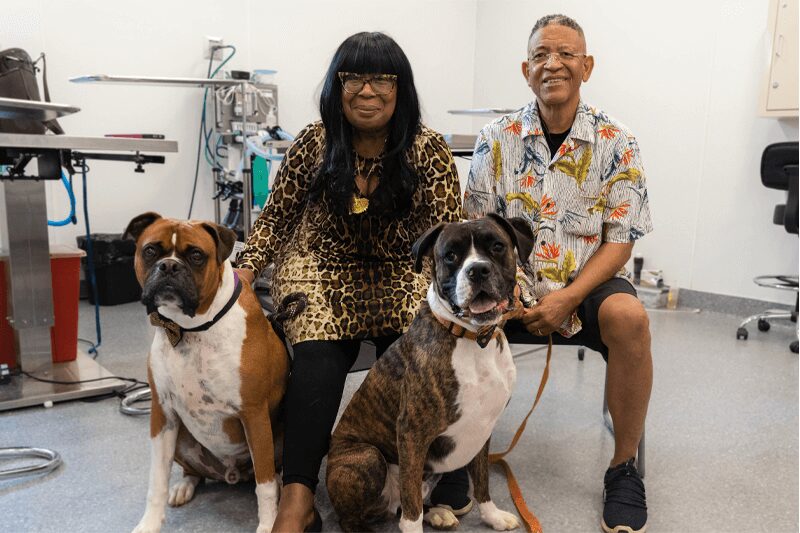
At Remedy: Your Community Vet, Atlanta Humane’s affordable veterinary practice, we don’t compromise on compassion. So when Elaina Oliver needed help with her dogs Moses and Brando, our team stepped in with financial assistance that made it possible for the dogs to receive their care.

By keeping pets healthy through low-cost veterinary care, we’re able to support long-lasting and loving relationships between pets and the people who love them. Learn more about Remedy below.

July 7, 2023

Imagine a basketful of adorable kittens taking their first steps in your living room, or five tiny puppies napping on your couch with their paws in the air.

We may think of scenes like these when we consider fostering animals for a shelter. But there’s much more to fostering than we might first imagine. Though fostering is an essential part of preparing some animals for adoption, serving as a foster caregiver is both a rewarding and challenging experience. Knowing what to expect before you foster is very important.

Fostering dogs and cats involves taking them into your home and caring for them temporarily. These animals are meant to be adopted when they’re ready, so your foster role is to offer a safe, realistic family or home environment until the animals are prepared to move into their forever homes with loving families. As a foster caregiver, you are helping animals to become their best selves with increased chances of adoption.

Placing animals in foster helps reduce overcrowding in shelters. It also gives animals time to grow large enough for adoption or to recover from surgery, illness, or injury. Fostering is perfect for anxious animals to relax, for animals that have become upset by kennel life to grow calm, for animals needing human companionship to become more socialized, and for puppy mill survivors that have lived in cages to learn about living in a real home.

As you consider becoming a foster caregiver, review these points to see if fostering is right for you.

  • Be sure all members of your family approve. Fostering requires time, energy, and space, so it’s important that all family members agree to welcome temporary furry residents.
  • Plan to accept all the responsibilities of fostering. These can include providing a clean, safe space for animals, giving them water and food (which Atlanta Humane provides) every day, and spending time with them. In addition, foster caregivers may need to bring the animals to the shelter or to a veterinarian for follow-up medical treatment as needed. Depending on the species and temperament of the animal, caregivers may also need to take animals to adoption events or meet-and-greets with prospective adopters. They must also give the shelter regular updates on the animals, including any medical or behavioral concerns.
  • Choose the right animal for your family, living situation, and lifestyle. If you travel frequently or have too little space for fostering, you may not be ready to take on the animals’ care. If you have other pets in your house, they may become confused or hostile when fostered animals intrude on their territory. You may need to set up separate spaces for fostered animals and your own animals.
  • Remember that in caring for fostered animals, you’ll need constant patience and compassion. Although fostering is very rewarding in many ways, it also requires time and activities that are likely to change your usual routines. As an example, a puppy may not be fully house-trained and will need your patient guidance as they master this important ability. Some fostered pets may demonstrate unwanted behaviors or separation anxiety. You’ll need a double dose of patience and compassion to give these animals your unconditional love.
  • Consider whether you’re strong enough to say a loving goodbye when your fostered animals are adopted into their new families. Remember that as one animal leaves, you can open your home and heart to another animal that needs your care.

If you’ve read through these points and think fostering would be a good fit for your family and lifestyle, please click to learn more about fostering with Atlanta Humane.

July 7, 2023

While most dogs love exercise—long walks and games of fetch—cats often have a very different attitude towards exercise. Many cats would rather curl up for one of their frequent naps, followed by a visit to their food and water bowls. These inactive behaviors can lead to weight gain, muscle depletion, and hip and joint issues. Without daily exercise, your cat’s health can deteriorate over time and even shorten their life span.

So cats need exercise as much as dogs do, especially when they remain inside your house. Keeping your cat indoors helps keep them safe from outdoor hazards, protects native wildlife, and prevents the cat from getting or passing on an infectious disease like FIV. With the right encouragement and a variety of ways to exercise—running, jumping, climbing, and chasing—your cat can replace some of their lazy habits with active, more healthful ones.

Remember to start slowly, especially if you’re helping an adult cat to exercise. Start with activities that your cat enjoys, and plan for short, 3-5 minute play sessions a few times each day. As your cat builds stamina, you can make play times longer and use higher-energy games.

Here are some of the best methods for encouraging your cat to play and exercise.

  • To encourage your cat to hop and climb, use a cat tower, a series of empty boxes that will fit your cat’s body, or your stairway. Place a toy or treat where you want the cat to begin climbing and playing, or use a laser pointer for the cat to chase up the tower, into the boxes, and up and down your stairs.
  • Give your cat lots of toy options to keep them moving. Try hiding some of the toys so your cat can have the thrill of finding them. Change and rotate the toys frequently so your cat won’t be bored. You don’t have to spend a lot on toys; try putting ping pong balls and balled-up pipe cleaners in a big open box or bathtub to create an instant “hockey rink” for your cat to chase and bounce the ball. Two very good sites for more toy ideas are here and here.
  • Tie a string to a long wand, then add feathers and other toys to encourage your cat to leap and run to catch the prize.
  • Online apps can challenge your cat to chase a bee or hamster or pounce on meandering mice and fish. After physical exercise, open a cat app to offer your cat mental stimulation and entertainment. Find apps by Googling ‘cat app.’
  • Train your kitten—or older cat, if possible—to walk wearing a well-fitted soft harness attached to a leash. Let your cat wear just the harness for a week. Then attach the leash and let the cat drag it. Finally, pick up the leash and put a slight pressure on it. When your cat walks easily and happily on the leash, you can go to a safe location for a cat-directed walk as you follow the cat with the leash held very loosely. Be ready to pull the cat out of danger if necessary.
  • An agility course with several obstacles can challenge and exercise your cat. Arrange bars for the cat to jump over, tunnels to pass through, and a line of bottles to weave between (start with two bottles and extend the line as your cat learns). You can find excellent DIY ideas here and here.
  • Puzzle feeders and toys give your cat mental exercise as well as physical training.

All these activities are fine for the daytime. But what if your cat is active at night when you prefer to be asleep? Some toys allow cats to play and exercise on their own.

  • Catnip toys can be big enough for your cat to wrestle with. You can open a seam in one of your cat’s favorite stuffed animals, insert catnip, and stitch the seam tightly closed.
  • Hang cat toys hang from a doorknob or window. Change their location frequently to make jumping for them more interesting for your cat.
  • Motion-activated toys begin to move, quiver, and roll when the cat pats or jumps on them.
  • Automatic lasers encourage jumping, pouncing, and running as the toy creates a sporadic laser that moves around the room. Keep in mind that because the cat can never catch the laser, this unwinnable game may be more frustrating than fun.

If you decide to use these solo-play toys for nighttime exercise, try to also interest your cat in playing with you during the day. As your cat learns how much fun you are, the bond between you and the cat will grow stronger, and their strength and well-being will improve.

July 6, 2023

The first minute your puppy arrives in your home, he’s cuddly, warm, cute, and adorable. What he almost certainly is not (yet) is house-trained.

One of your first priorities is to teach him or her to eliminate outdoors and not in your house. Here are the best ways to make sure your puppy becomes eager to do his business outside your home.

  • Approach house training with a lot of patience. Some puppies learn perfect bathroom manners after a week or so, while others need months to train. Pups that have lived in a less-than-ideal situation before coming to you may take longer to acclimate. No matter how long training takes, remain patient.
  • How long can a puppy hold urine? A general guide is that the number of hours of continence equals the puppy’s age in months. This means a healthy 6-month-old puppy should be able to wait for about 6 hours. All puppies are different, so the length of time may be different, too.
  • Using a crate will make training easier for you and the puppy, and it will also simplify vet visits, travel, and convalescence. Like all dogs, your puppy will seek a secure canine cave, and the crate will become that safe place. Choose a crate that’s the right size for your puppy so he can lie down, stand up, and turn around. Too much space in the crate may encourage the pup to use a far corner as a bathroom. Many crates come with a divider that can expand the space as the puppy grows larger.
  • Set up a schedule for taking your puppy outdoors. To begin, you’ll need to do this first thing in the morning and last thing at night. You’ll also need to take the puppy outside after eating or drinking, playing indoors, spending time in the crate, and waking up from a nap. Feed your puppy at the same times every day, and take her outside after she finishes eating. If your puppy is less than 12 weeks old, you should take her outside every one to two hours. The first days at home will be filled with trips outdoors, but your puppy will have that many opportunities to learn his or her manners.
  • Keep a close eye on your puppy. If you see him or her sniffing the floor, walking in circles, whining, or starting to squat, pick them up and rush outside to let them eliminate there. Choose a spot that’s close to the door so the puppy won’t have to wait for long. Give the puppy every chance to be successful on your terms.
  • Use praise, not punishment. Every time your puppy eliminates outside, go over the top with approving words, a little treat, petting, clapping, and cheering! Then play with the puppy for a while outside so they will connect outdoor time with happy activity. If the puppy makes a mistake indoors, do not scold them, comment, look upset, or do anything to suggest you’re displeased. Clean up quickly with a cleaner that removes odors. Always focus on good results and let the puppy know you are delighted with their successes.
  • Finally, using puppy pads as approved spots for elimination can be a temporary solution, but don’t rely on them permanently. Your puppy needs to learn to go outdoors to eliminate.
July 5, 2023

Fourth of July celebrations are wonderful opportunities for family and friends to gather and celebrate our nation’s independence. These celebrations include camping, picnics, barbecues and of course, fireworks. Many of our pets are as intrepid and adventurous as we are and some of them not so much. Listed below are safety tips that can help make the Fourth safe and reduce your pets stress level.

  • Keep harmful items away from pets. Lighter fluid, matches, tiki torches, citronella candles and other flammable items can burn and irritate the hair or skin.
  • Don’t leave alcoholic beverages where pets can reach them. They are toxic and may cause weakness, depression, or death.
  • Keep pets on their normal diets. Even the choicest tidbit can be problematic to a sensitive and delicate digestive system. Avoid chocolate, grapes, raisins, bread dough, barbecued meats and bones.
  • Use only veterinarian recommended sunscreen and insect repellants on your pet.
  • Keep pool chemicals in their original containers and safely stored to avoid spillage and contact with eyes and skin.
  • Don’t let your pet drink pool water. It is low in sodium and could cause weakness, seizures or coma. If you’re traveling beyond your backyard, sea water exposes pets to more sodium than they would normally encounter. Swallowing large amounts of salty water can cause vomiting, tremors, or seizures.
  • Don’t leave jewelry or other pieces of paraphernalia on your pet unsupervised as they could swallow or choke on them.

FIREWORKS AND HOT TEMPERATURES

  • Don’t leave pets outside during fireworks as they could become spooked and run away or hop a fence.
  • Don’t leave your pet home alone if he/she gets upset by loud noises. Have someone stay with the pet during firework activities.
  • Identify a safe area in your home for your pet during the fireworks. Make sure the room is a comfortable temperature, close the windows, lower the lighting if necessary, and use calming music to mask the noise from the fireworks.
  • If you think or know your pet requires a calming aid or sedative, check with your pet’s veterinarian before giving such aids and follow directions carefully.
  • Don’t leave pets outside or jog with your dog during the hottest part of the day, usually between 11 a.m. and 6 p.m. If the concrete, asphalt or pavement is too hot for your hand to touch or to stand on in your bare feet, it’s too hot for your pet to walk, jog or play outside.
  • Make sure your pet is wearing a collar with visible identification that has his/her name and your telephone number. Get your pet microchipped, and if your pet is already microchipped, call the microchip company to ensure that your information is current. Microchips are often given to pets, but the information is out of date meaning shelters have no way of contacting the owner if they pet is lost.
  • If your pet gets lost or you find a lost animal, report it to the nearest animal control agency as soon as possible and visit the shelters regularly.

That’s it! The considerations are simple. With a little planning, one of our favorite, holidays will be the great fun we anticipate.

June 30, 2023
joey video cover

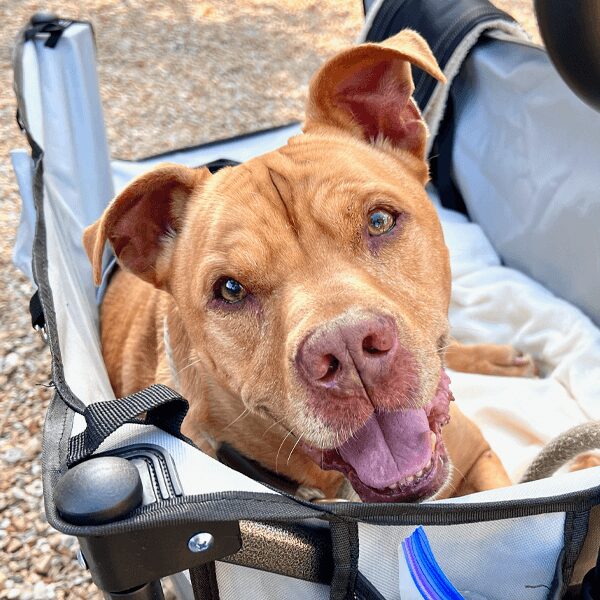
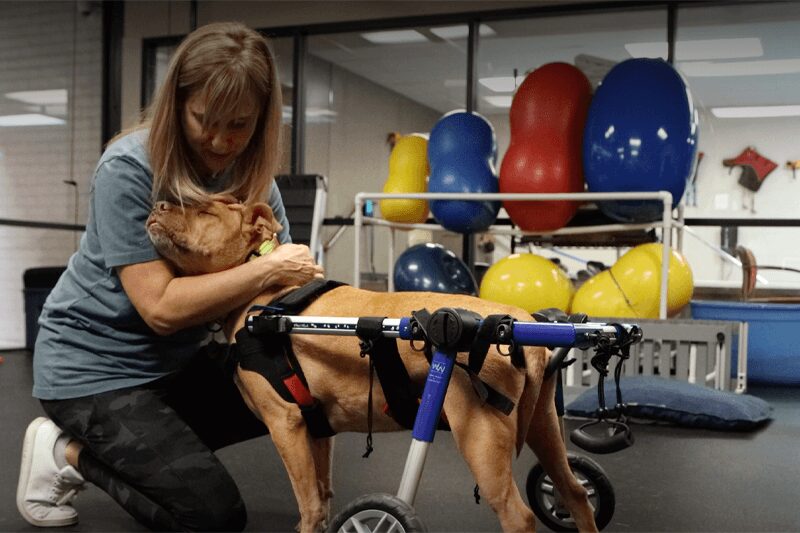
When Joey first arrived at Atlanta Humane, he could barely walk. His hind legs slipped out from beneath him and, try as he might, he just couldn’t get his legs to support him.

Physically, Joey had begun to form wounds where his paws would drag over the ground behind him. Mentally, he was visibly depressed by his inability to get around.

Our Shelter Medicine Team knew he needed our help and immediately began working on a plan of care.

The first step was conducting a thorough exam to determine the cause of his issues. Using a sling, our veterinarians checked his spine, legs, and gait, and eventually diagnosed him with a spinal condition that is possibly worsened by his weight.

We began sending Joey to physical therapy at Georgia Veterinary Rehabilitation, where the team helped him through both land and water therapy to improve his mobility. He also did daily exercises and received laser therapy and dry needling with electrical stimulation in support of our goal to help him walk better. Joey was then fitted with a wheelchair that helps him get around more easily and greatly improved his quality of life.

We knew finding a family for a large, special-needs senior dog would be a challenge, but we also knew in our hearts that the right home was out there. And this weekend, we found it.

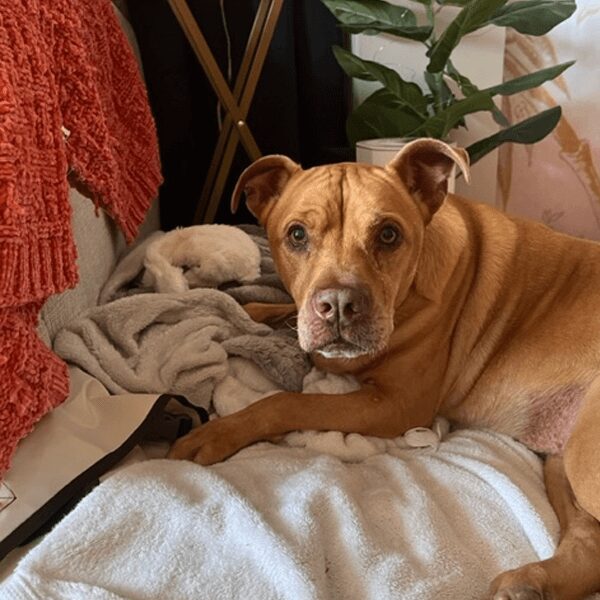
Joey is living the good life, eating homemade organic food and surrounded by comfort. He’s got his own orthopedic beds, diapers, waterproof blankets, yoga mats to help him gain traction, mental stimulation games, chew toys, and more. He even has a special wagon that he can ride around in for leisurely strolls to smell the flowers. We can’t imagine a better home for him.

At Atlanta Humane, we’re committed to finding homes for all of our adoptable animals, no matter how long it takes. We take in animals like Joey with difficult medical conditions because we have the shelter medicine resources that others in our area don’t. Thank you for continually supporting our work and entrusting us with those animals who need us most.

joey blog
joey napping
joey at home

Pets add to our lives in countless ways and, in return, we are responsible for their safety and well-being. What would happen if a natural disaster strikes? It’s hard to think about worst-case scenarios but in an emergency, your pet will be even more dependent on you. You may already have a disaster plan for your family, especially if you live in an area prone to hurricanes, tornados, wildfires, and more, but have you considered what to do and what to have on hand to keep your pet safe? In the chaos of an emergency, you may not have time to call local hotels to ask if they accept pets or find a friend who can care for your pet if you need to be separated. If you aren’t able to leave your home for a long time, hurrying to pet stores for supplies may not be possible.

There are many ways your disaster plan can include your furry family members. Here are some things you can do ahead of time to help avoid making frantic calls after an emergency is already under way.

Microchips and Name Tags
Having cats and dogs microchipped and wearing collars with up-to-date identification tags increases your chances of being reunited with them if they get lost. Remember that you need to keep your registration and information up to date, especially if you move.

Buddy System
What if something happens while you’re away? You can prepare by asking a trusted neighbor, relative, or friend if they would be willing to check in on your pet. Plus, you can do the same for theirs. Add this caregiver to your emergency contact list as someone authorized to approve emergency medical care in your absence.

Vaccinations
Make sure all of your pets are current on their vaccines and have copies of those records available. Some shelters, hotels, clinics, and kennels that might temporarily house pets during disasters require vaccination records, and some may require vaccines that you haven’t given previously.

Hotel and Shelter List
Compile a list of boarding facilities, hotels, rescues, friend’s houses, and veterinary offices willing to shelter pets during natural disasters. Ask in advance about possible restrictions on number, size, and species. For hotels, inquire if a “no-pet” policy would be waived in an emergency. Keep this list of animal friendly places handy and call ahead for a reservation as soon as you think you might have to leave your home. The longer you wait, the less likely it is that there will be vacancies.

Disaster Kit Items for Pets
Your disaster kit should include:

  • Food and water for at least five days for each pet. People need at least one gallon of water per person per day, so be sure to account for your own needs on top of theirs. Your pet may not need that much, but keep an extra gallon on hand to use in case your pet has been exposed to flood waters and needs to be rinsed.
  • Bowls and a manual can opener if you are packing canned pet food.
  • Vaccination records and medical history with a list of medications stored in a waterproof container with veterinarian contact information.
  • A pet first aid kit: book on pet first aid, gauze, nonstick tape, pet shampoo, tweezers, antibiotic ointment, styptic powder (for small wounds), and activated charcoal (for poison exposure.) Many pet supply retailers sell pet first aid kits. Keep all items in your pet emergency kit up to date, especially the emergency contacts and vaccination records.
  • Cat litter box, litter, litter scoop, and garbage bags.
  • Leashes, harnesses, and carriers to transport pets and ensure they can’t escape. Make sure your cat or dog is wearing a visible collar and identification tag. Remember that carriers need to be big enough to allow your pet to stand comfortably, turn around, and lie down. (They might have to stay there for many hours at a time.)
  • Current photos of you with your pets and descriptions to help other people identify them in case you get separated—and to prove they’re yours when you’re reunited.
  • Written information about feeding schedules, medical conditions, and behavior issues along with the name and number of your veterinarian in case you have to board your pets or place them in foster care.
  • A favorite toy for comfort and a familiar blanket for warmth, particularly for smaller pets, if easily transportable.
  • Pet life jacket and paw protectors.

Don’t Leave Your Pet Behind
If you think you may need to evacuate, don’t wait for a mandatory order. Pets left behind in a disaster can easily be hurt, lost, or killed. Often, warnings are issued hours, and even days, in advance. Evacuating before conditions become severe will keep everyone safer and make it much more likely that you can take your pet with you. At the first hint of danger, act to protect your pet. Make sure they are wearing collars with identification. Check that your pet disaster supplies are ready to take at a moment’s notice. Bring pets inside so you won’t have to search for them in case you need to leave immediately. Include your pets in evacuation drills so they’re used to entering into and traveling in their carriers calmly.

If your family and pets must wait out a storm or other emergency at home, identify a safe area of your home where you can all stay together. These rooms should be clear of hazards such as windows, flying debris, etc. Choose easy-to-clean areas such as utility rooms, bathrooms, and basements as safe zones. Access to a supply of fresh water is particularly important. In areas that may lose electricity, fill up bathtubs and sinks ahead of time to ensure access to water during a power outage. In the event of flooding, go to the highest location in your home or to a room with access to counters or high shelves where your animals can take shelter. Place emergency supplies in that room in advance. Have any medications, plus pet food and water, inside watertight containers. If there is an open fireplace, vent, pet door, or similar opening in the house, close it off with plastic sheeting and strong tape. Close off small, unsafe spots where scared animals may try and hide. Move dangerous items like tools and toxic products stored in that area to another place in your home.

It’s a lot to take in and think about but, luckily, there are many great resources out there, including Ready.gov, The Humane Society of the United States, and the ASPCA to help you. The ASPCA also has a great disaster prep checklist for download.

These suggestions are primarily about dogs and cats. For tips on disaster planning for livestock, horses, birds, reptiles, or small animals such as gerbils and hamsters, please visit The Humane Society of the United States or Ready.gov.

June 22, 2023