Close X

Enter a search request and press enter. Press Esc or the X to close.

Most of us agree that pets are family. So naturally, the hardest part of pet ownership is recognizing when it’s time to say goodbye. And like so many things in life, the hardest decisions are made easier with knowledge. So, when is it the right time?

The American Kennel Club says, “the overwhelming joy of having pets is unfortunately accompanied by the inevitable sadness that comes with ending their lives.” We all want to do right by our pet and eventually, that means being cognizant of a deteriorating quality of life. Are they reluctant to go on walks? Climb stairs at bedtime? There are varying levels of distress for our pets as they grow older or are diagnosed with a terminal illness, and talking through options with family members and your veterinarian will help. There’s a reason it’s called “humane euthanasia”–your pet’s decline in health and happiness can happen quickly and one of our responsibilities as their caretakers is to alleviate suffering in their final days.

Just how do you know? The answer is different for everyone but the “Quality of Life Scale” can help take the emotion out of the decision. The scale, also known as HHHHHMM, shifts the focus from the pet caregiver’s feelings of heartbreak, regret, and guilt to the pet’s well-being: is life worth living anymore? The scoring system, from 0 (for bad) to 10 (for normal), allows us to assess basic criteria of a quality life. The five Hs in the name stand for hurt, hunger, hydration, hygiene, and happiness, while the Ms represent mobility and “more good days than bad days.” In the end, that’s what it’s really about–do the bad days outweigh the good days? Unlike humans, our pets live for the now, not the future. If they are in continuous pain or suffering, peaceful and painless humane euthanasia may be the best option. Owners sometimes consider allowing their pet to die “naturally,” and oftentimes they regret the decision. The dying process can be long and painful, and watching your pet suffer can be even more difficult than the decision to euthanize. The emotional toll can be overwhelming, but prolonging their life to avoid having to make a tough decision is rarely the best option. Instead, focus on making most of your pet’s final days meaningful by doing their favorite things, which may be as simple as quiet time side by side.

In day-to-day living with your pet, watch for behavior changes. A dog whose favorite part of the day was mealtime but now refuses to eat may be in quiet distress. This might be the most telling key to whether or not your pet’s quality of life is on the decline. You should look for signs of cognitive dysfunction, excessive crying or panting that could be a result of pain, and even defensive and aggressive behavior. An inability to move freely or needing assistance to get outside is definitely a consideration. All of these are contributing factors to making a decision that alleviates unnecessary pain and suffering.

The idea of facing your life without your beloved pet at your side is daunting, and it’s never easy. But sometimes the kindest, most generous action you can take for your friend is recognizing that it’s time to say goodbye.

July 28, 2023
lonzo headshot
lonzo box

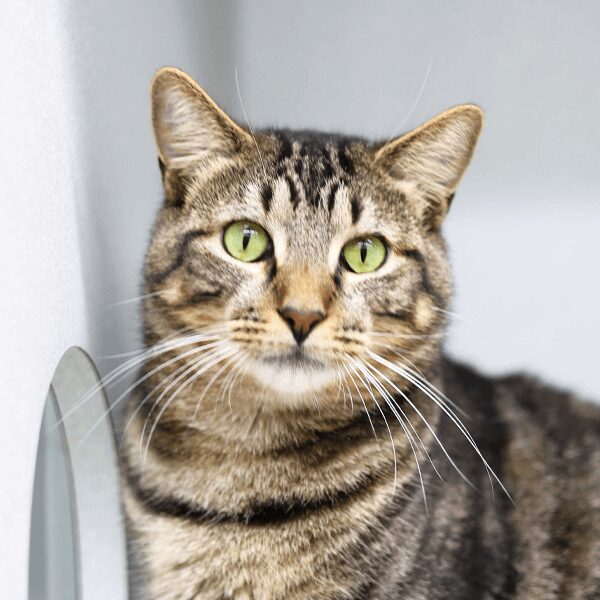
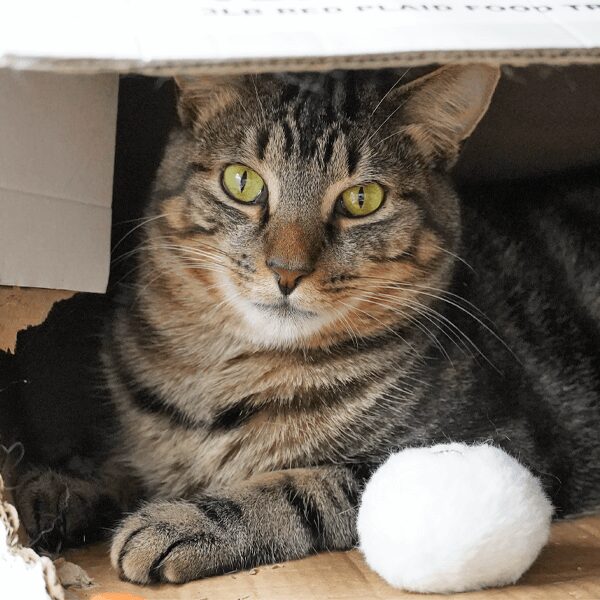
Do you enjoy streaming your favorite show for hours? Like to spend the evening playing games online? Love to settle in and read a good book? Then Lonzo might be the cat for you! He’s the perfect sofa snuggle partner and will never judge your taste in streaming series or trashy novels.

Lonzo is a homebody looking for a calm environment where he can chill and relax the day away with his companion. He especially loves tucking himself into boxes, where he feels safe and secure, but with love and a little patience, he’ll come out of his shell for you. Lonzo’s perfect day is one where he’s stretched out on the couch with you and getting plenty of scratches and pets.

Lonzo has lived with another cat in the past and did quite well, but we don’t have any known history on his experiences with dogs or children. Lonzo has been exposed to FIV previously, and a member of our Adoptions Team can give you more information about what that means for him.

If you think you’re the person to help this sweet guy gain a little confidence and really show his sweet side, visit him at our Atlanta location during our open hours. He qualifies for our Foster First Program, which means you can foster him for 14 days prior to adoption to ensure he’s the perfect fit for you!

July 26, 2023

Adopting a reactive dog can be a daunting challenge and feel like a burden sometimes. The stress of walking your dog, having to always look out for potential triggers, and not being able to go to the dog park is a lot, even for an experienced dog owner. But maybe you have a huge heart and made a life decision to give your love to a dog that might otherwise have a difficult life, and you now want your rescue to experience all the joy in the world.

Take hope. Reactive behavior can be overcome with patience, dedication, and unconditional love. A mantra that may help: don’t overdo it, have fun, and pick your dog’s happy hour. There are many things you can do to help your new friend be calmer and happier on their leash, in their yard, and beyond.

What exactly is reactive behavior?
The definitions can be similar and confusing, but reactivity and aggression are not the same. The keywords are “excessive” and “overreaction.” A dog who barks at the doorbell would likely be displaying a normal response. A dog barking excessively at non-threatening humans or other dogs – or anything else notable and abnormal – would be reactive.

The two types of reactive behavior are fear and frustration. Fear typically includes a risk of aggression and is demonstrated by dogs who were not well socialized and/or experienced negative life events, such as abuse. For example, a dog might be overly afraid of losing something, like their human, toys, or food. Dogs may also be aggressive when feeling unsafe, like when an unfamiliar person approaches.

In contrast, frustrated dogs will desperately want interactions with other dogs and with people but are prevented from doing so by restraint. The dog may be so overly enthusiastic about engaging that they bark and lunge out of frustration at not being able to get to that object of attention. These dogs may run up to another dog and happily engage in appropriate ways if released from their leash, but not every time. Sometimes the intensity of the frustration was already to the breaking point and they may unexpectedly aggress or even attack. Even in fairly positive encounters, the object of this emotional attention may feel threatened by such aroused behavior and act defensively. In either scenario, it’s critical for reactive dogs to learn more appropriate responses.

What can someone do with a dog in a triggering situation?
A lot of reactivity originates in discomfort. The most common reason for negative behavior is being stressed and scared. Some dogs retreat and some choose confrontation. This does not mean they want to attack, but rather it can feel like the only option.

Scolding can often make a dog even more anxious. If you scold a reactive dog, they can take it as a sign that the situation really is as life-threatening as they thought. That’s why it’s best to stay calm and confident, take control of their leash, and move away from the situation. Then, they can calm back down. Start by trying to coax your dog away from the object of their attention using happy tones. You can also put a treat nearby and see if they will follow it. If that doesn’t work, the safest way to move your dog is to clip a leash on their collar and bring them to another area. If these methods don’t have an effect, it is crucially important that you turn around and walk away briskly, as fast as possible. Every second spent in a highly stressed state can do damage to all the progress you’ve made together.

With frustration, the motivation for reactivity is very different because these dogs want to play and feel thwarted. This behavior can result from routinely allowing your reactive dog to quickly greet other dogs and humans while on a leash. Each time a dog is allowed to approach others right away to ease their frustration, the behavior is positively reinforced.

When you run into a triggering situation, there are many ways to counter negative reactions. You have the power to alter some of the strong emotions linked to these situations. One easy way is to try and give them something they love every time they see a trigger. That way, they learn that the trigger produces their favorite treats and toys.

How does management help with the training process?
Management means setting a dog up for success. It means preventing exposure to the trigger stimuli and applies to both types of reactivity. You’ll need to take notes on how loud, how close, a person’s gender, what dog breed, and anything else that caused an abnormal reaction. Figuring out what specifically and consistently frightens or excites the dog will make it easier to avoid those encounters and allow you to be more successful at modifying behaviors.

For example, to break the habit of reactivity at home, you might need to make some household changes. Window reactivity is common and problematic because it’s rewarding. The dog thinks their barking made the stimuli go away,  so they repeat and repeat that behavior. The best way to stop this is by using a tie down, which is a leash 2-3 feet long and attached to an immovable object. It is then attached to your dog’s buckle collar. A tie-down trains your dog to stay in a certain spot and not go to the window. You can also use baby gates to keep them away from windows.

Another form of reactivity at home is backyard reactivity, which is similar to window reactivity. It is very rewarding and will bleed into other areas of the dog’s life. If your dog is a fence fighter or a fence runner, one thing you can do when you are home is walk them around the backyard on a leash. Make sure you establish good recall so if they become riled up, you can get their attention and calm them down. If you aren’t there to teach your dog right from wrong, then you must confine them away from the hot spot area in your yard. This may mean getting rid of your doggie door, confining them inside the home, or creating a dog run for the backyard where they don’t have access to the fence.

Training, on the other hand, is necessary for your long-term goal of reducing or stopping reactivity altogether.

How to get your dog ready for walks, parks, and play
Here are just a few tips, but this list is not exhaustive!

Try keeping your dog on a long leash when they want to interact with other dogs. It sounds counterintuitive, but reactive dogs on a short leash might feel stressed when they can’t use social cues in a normal way. Restricting the dog’s movement could make them feel like the only way out is to attack. Keep dogs at a distance at which they can still listen to you and take treats, but aren’t lunging. Your dog should be allowed to act naturally and move without restriction.

Start at a large distance from the other dog and slowly work your way up to being closer. If your dog is so on edge that they will not eat your treats anymore, you need to increase the distance or use a more high-value treat. Learning is better when stress levels aren’t pushed too high. Otherwise, it’s possible that all the dog remembers from training is fear. A dog in the “red” will not be able to acknowledge cues any longer. Look out for a rigid body, stiff tail, stare you can’t interrupt, inability to respond to easy cues, and straining on the leash. Demonstrating these behaviors on walks means they are too stressed for your training to be effective. You definitely don’t want to put them in these situations again and again because it can make reactivity worse.

Does your dog love to chase and fetch? Use it to your advantage! The more time your dog focuses on a favorite activity, the better. Playing games is wonderful for you both. Just be patient. You might want to scold them when they don’t pay attention or don’t fetch at the specific time you want them to play. But, remember, you want playtime to be the most fun thing in their life. Stay as upbeat as possible. They will have times of the day when they are more alert than others. Pay special attention to the messages your dog sends throughout the day. You might need to wait for them to show you they’re ready.

After playing in a remote location until your dog gets that crazy/happy look when they see their frisbee or other favorite toy, you can move to a more crowded place, like a park. Just make sure you have physical control by attaching a long leash. The long line is still there for safety – we do not want to approach any people or dogs so closely that our dog gets worked up enough to charge to the end of the leash.

Now you can play just like you did at home or other remote locations. For some dogs, it’s really useful to just get them out of the car, run to the place where you will play, and play even for only five minutes. Then, race back to your vehicle before they lose interest.

Over time, your dog will associate the fun they have with you and their frisbee with the park and perhaps even the people and/or dogs in the distance that they used to worry about. At minimum, they will learn that they can have fun in public and that it’s possible to tune out distractions.

Happily ever after together.
Modifying your dog’s behavior won’t happen overnight. You will need to have realistic expectations. Your dog might never be completely comfortable with all types of situations, even ones that seem common for other dogs. But with patient training, you should see a big difference in their behavior and find a calmer, more confident dog who deserves a happy life as much as any other pup.

July 23, 2023

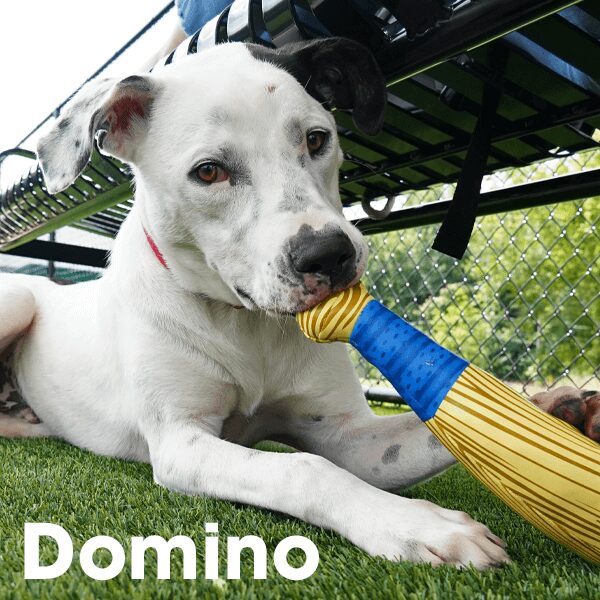
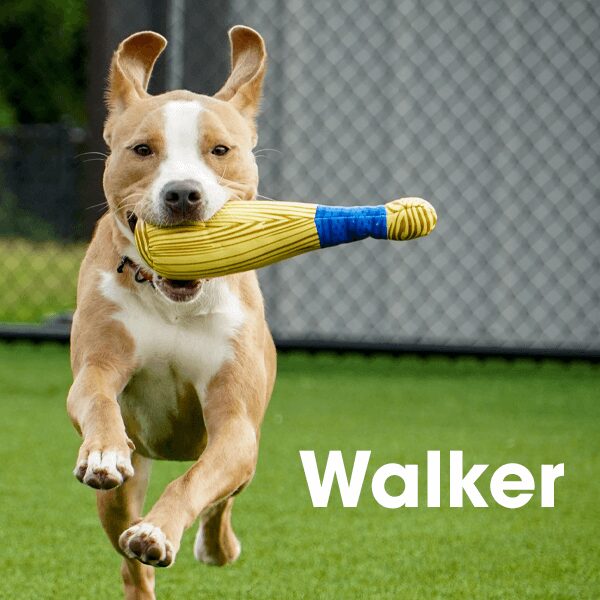
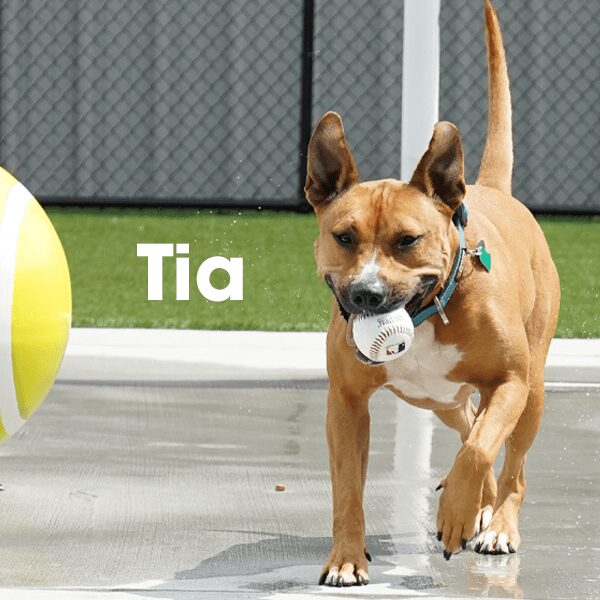
Baseball season is well underway, but the Atlanta Braves aren’t the only team you’ll want to keep your eye on. Atlanta Humane has a strong team of animals who are ready to swing for the fences, slide into home base, and rank #1 in your heart.

The Starting Lineup

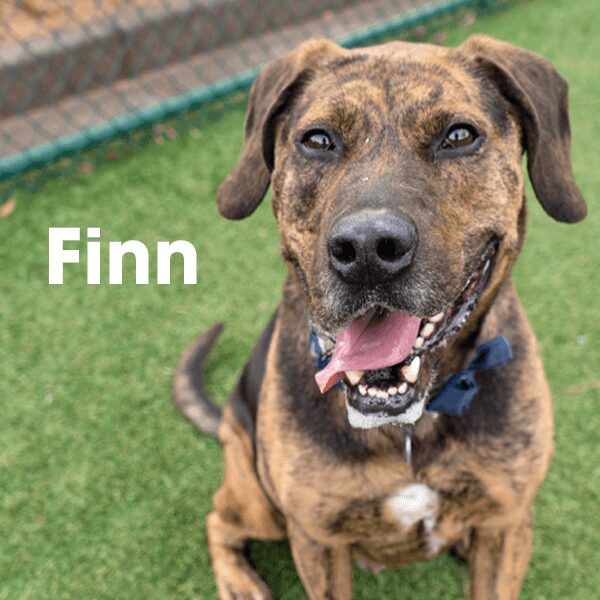
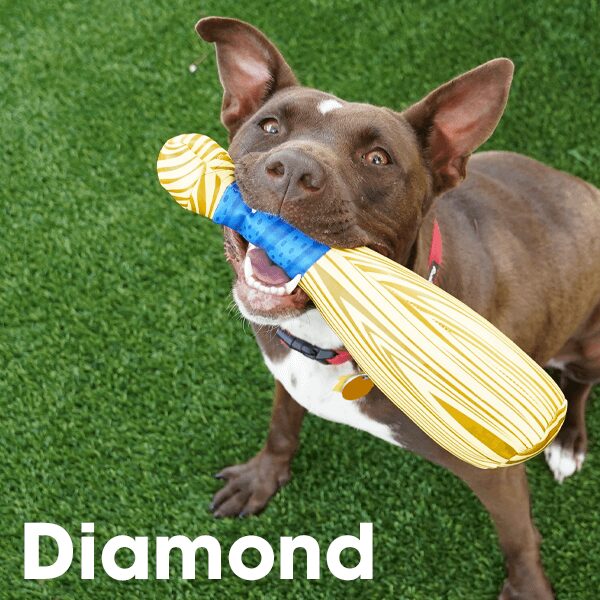
These are no rookies! Our starting lineup is full of animals who are ready to show off their skills in running, ball catching, and stealing (…food, not bases).

final finn
final lilypad
final diamond
final gunther
final domino
final walker
final denali
final tia

The Benchwarmers

Our bench is being kept warm by some very special animals that you won’t strike out with. Lonzo prefers to hang out in the safety of the dugout, while Sheba loves a good snuggle session on the bench. Banksy enjoys a game of catch but is too distracted playing in the water fountains to make it onto the field.

final lonzo
final sheba
final banksy
denali blog happy
denali blog headshot
denali blog toys

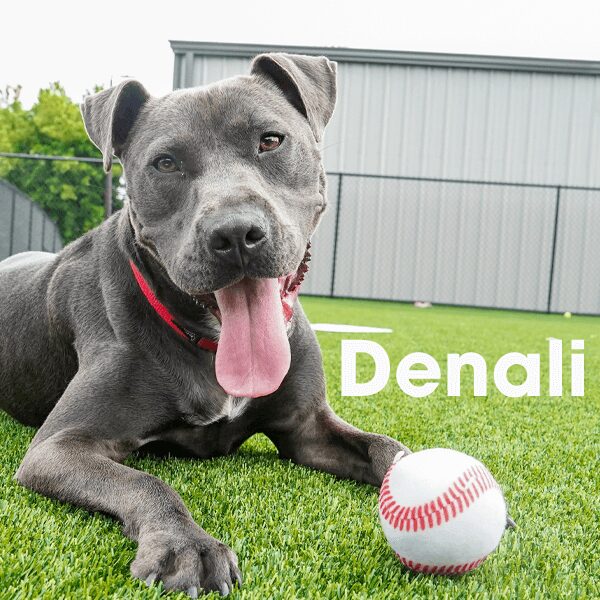
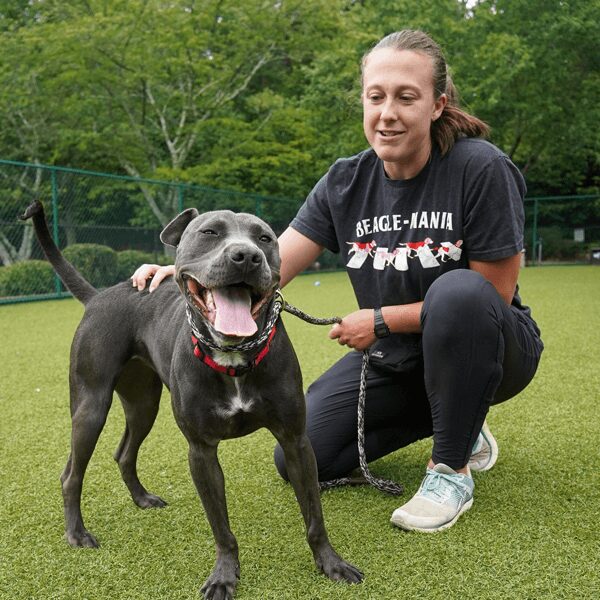
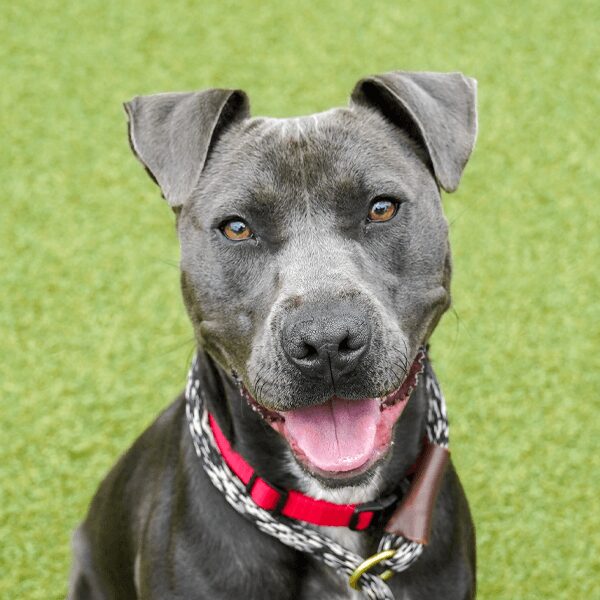
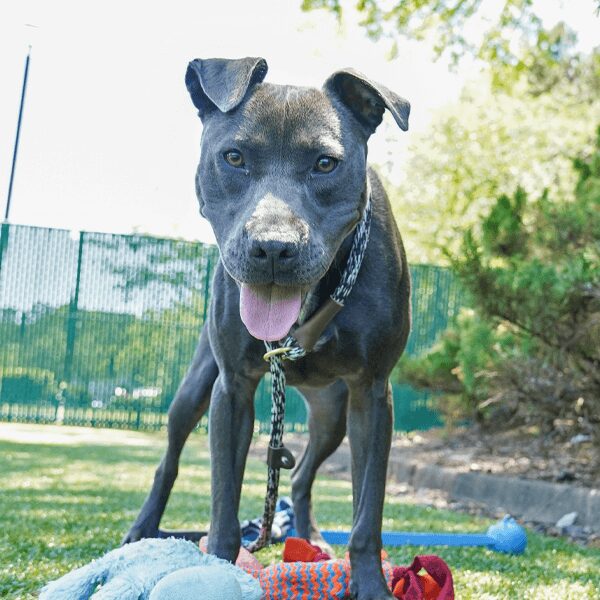
Just as beautiful and captivating as her name implies, Denali is an active, young girl who loves the great outdoors. She has lots of energy and is always up for a hike, an adventure, or a game of fetch in the backyard.

At just one year old, Denali is still learning leash manners, but her daily walks and outdoor play are essential to her well-being. We’re happy to say her basic manners are coming together! She’d love to show you her “sit,” and she settles down quickly once she’s out of the overwhelming shelter environment. If you’re up for working with her on some more training and her leash manners, she’s ready to be your best friend! And what an awesome friend she’ll be.

We love Denali’s just-right size; at 50 pounds, she’s big enough to be an outdoor adventure dog, but small enough to cuddle up to you. She loves a good belly rub, too, and is never too shy to ask for one.

Denali would do best in a home with no cats or small children, but she’s dreaming of being part of an active family. We don’t have any history on how she does with other dogs, but our Adoptions Team can help facilitate introductions if you already have a dog at home.

Come meet Denali at Atlanta Humane today! You’ll be sure to fall in love with her charm.

July 14, 2023
brock therapy cover

Atlanta Humane has always been a special organization to Laura Aiken. Her father, Rick Aiken, was interim CEO from 2013 to 2014 and worked to help break up a dog fighting ring during his tenure.

So when Laura was ready to adopt a dog late last year, she knew where to go to find her new best friend. She immediately connected with Brock and knew he would fit her lifestyle well.

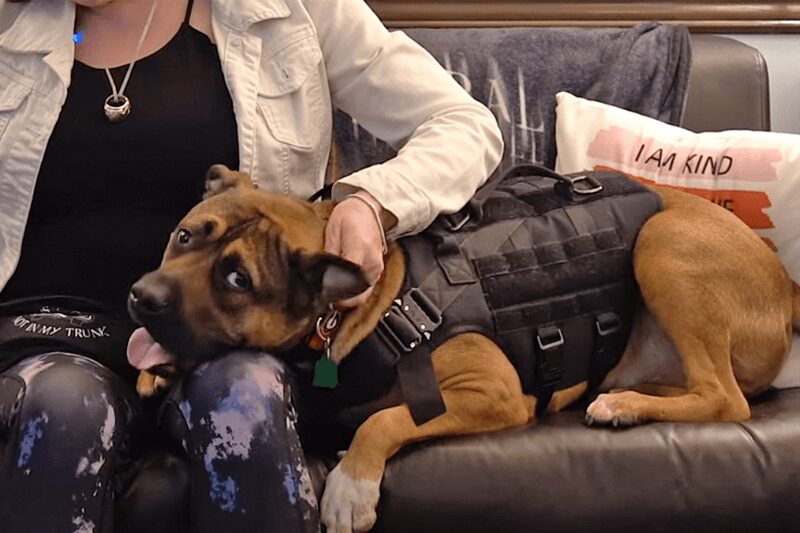
Now, Laura has been working with Brock to help improve the lives of people in her community. As a therapist, Laura works with teenagers and adults and has begun incorporating Brock into her therapy program. While working with her, Brock helps patients calm down and take deep breaths when they’re experiencing difficult times. His signature move is a “weighted blanket,” where he lays still across a person to help ease their sadness.

We’re grateful to have been a part of their story and so thankful for the work they’re doing in our community.

July 13, 2023

We all know we should take steps to baby-proof areas where babies and young children roam. However, we may not realize that we also need to pet-proof our property to keep our dogs safe. Here are the top recommendations for pet-proofing your yard.

Install the best boundary possible.
Whether you choose wood, metal, or vinyl, arrange for a fence at least 6 feet in height. If your dog is large, make the fence 10–12 feet tall. If you opt for a wood fence, be sure the lumber has not been treated with CCA, a chemical that’s toxic to dogs.

Suppose you already have a fence in place, but it’s not high enough to prevent dog jump-overs. A simple solution is to add a strong trellis to the top. You can also plant evergreen climbing plants or prickly evergreens to add bulk to the fence and discourage your dog from jumping over it. If you’re concerned that your dog might dig under the fence, bury chicken wire at least 12–24 inches deep around the perimeter inside the fence.

If your backyard contains a pool, don’t include the dog’s enclosed space near it. Protect your dog by keeping him and the pool in two separate areas.

Make sure any exit from the enclosed space has a secure closure that your dog cannot open. Place the latch so high that’s out of their reach or make the latch so tricky to open that only human fingers can get it open.

Remove all toxic plants and chemicals, as well as standing water.
Besides avoiding wood treated with CCA, remove plants and other materials that are unsafe or deadly for dogs to chew. These include common plants like azalea, rhododendron, yew, oleander, tulips, daffodils, amaryllis, foxglove, and lily of the valley, among others. Herbs like parsley and fennel can also be toxic for your dog.

Don’t spread substances you wouldn’t want your dog to eat, such as insecticides, pesticides, herbicides, fertilizers, slug or snail killer, and rat or mouse poisons. Use non-toxic and organic options whenever possible. If you must treat your yard with toxic items, keep your dog out of the yard until it’s safe to return.

Drain any pools of standing water, as these can harbor dangerous blue-green algae or infections such as leptospirosis, a bacterial infection that can be deadly to dogs.

Avoid paved outdoor spaces.
Hard surfaces can increase your dog’s chance of injury. Keep in mind that concrete, brick, asphalt, and other hard surfaces can become extremely hot and injure paw pads. You can replace flagstones and pavers with other walkway materials such as mulch, artificial turf, or sod.

Secure your trash cans and electrical cords.
Dogs love to investigate everything in their yard, but plastic and other trash, including cleaning materials left on rags, can be hazardous. Make sure your trash cans are covered with very tight or locking lids. Better yet, keep the trash cans out of the dog’s enclosure.

Remove or securely cover all electrical cords so that your dog cannot chew on them.

Make it impossible for other animals to enter your yard.
Check your fence for holes or cracks where wildlife could enter. Your dog can be severely injured or even killed if it fights with a raccoon, coyote, fox, or opossum. If your dog is small, hawks and owls could fly off with your pet in its claws, so remain in the yard while your little dog is outside. Another preventative measure is to keep your dog indoors at dawn, dusk, and overnight, when most wildlife are feeding.

Help your dog believe that his yard is the best place to be.
After your yard is secure, give your dog activities or entertainment to keep them happy while they’re outdoors. Try a treat-packed Kong toy or a sturdy rope to chew on, or ramps and obstacle courses to keep them busy. Spend time in your yard with the dog so they’ll think of the space as welcoming and fun.

If the yard is comfortable and appealing, your dog will be happier in it. Make sure that ample shade is available – in an arbor or gazebo, for example – and install a doghouse or other comfortable space for your dog to rest. If your dog loves to play in the water, provide a hose, small pool, or sprinkler for them.

Keep your dog hydrated by providing a water dish that’s filled with fresh water every time they are in the yard. Empty the water dish afterward to prevent mosquitoes from laying eggs in it and possibly bringing heartworm onto your property

July 13, 2023
july blog post
july bottle feeding blog post

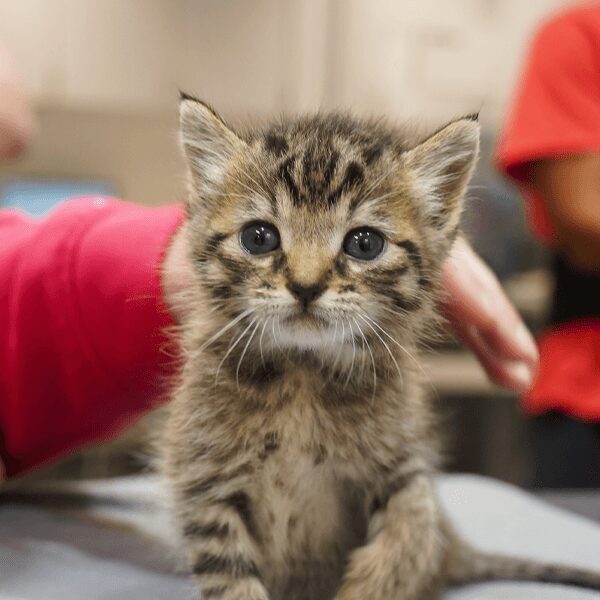
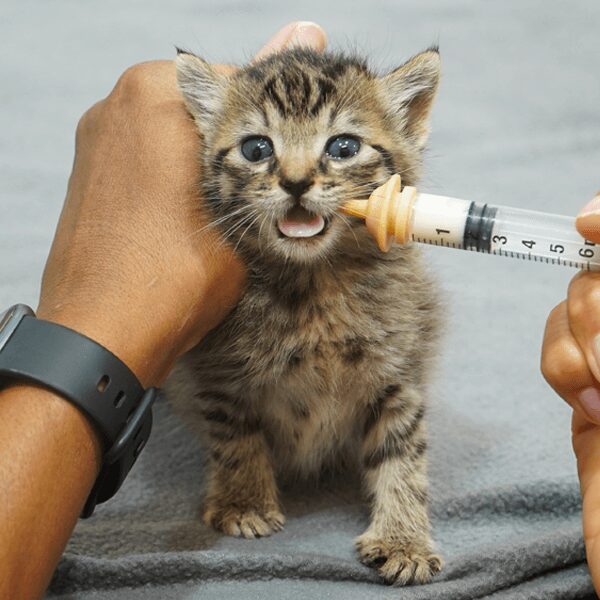
July was just 3 weeks old when her foster caregiver called our Shelter Medicine Team with concern.

The tiny kitten was crying in pain and unable to use her back legs. Our team quickly discovered that July was suffering from swimmer syndrome, a congenital condition that causes the hind legs to splay out and makes walking impossible.

Many kittens with this condition are euthanized immediately, but not at Atlanta Humane. With your support, July will be able to make a full recovery and live a long, healthy life. Can you help make that happen?

July 12, 2023

We all want our homes to be happy and safe places for our pets, but did you know they could be in danger from everyday household items? Here are the ones you might not have considered:

  1. Over-the-counter medications – We might leave these laying out but to a dog or cat, a shiny pill with a sweet outer coating seems like a treat. It’s always good to keep these items stored safely away from pets.
  2. Sugar-free gum, mints, and candy – While Xylitol is a great sugar substitute for humans, it can be deadly to dogs. It causes their insulin to spike and can cause damage very quickly. Keep an eye out for any items in your house continuing this compound and keep it far away from your pets’ reach. In addition to gum, mints, and candy, it can be found in other items such as toothpaste, vitamins, and mouthwash.
  3. Grapes and raisins – Although it’s not specifically known why these are toxic to dogs, ingesting grapes or raisins in even small amounts can cause kidney failure.
  4. Chocolate, coffee, and caffeine – These products contain a substance called methylxanthines, which can cause severe illness in dogs and cats. Vomiting, diarrhea, excessive thirst, and seizures are just a few of the symptoms it can cause.
  5. Onions – Although we humans might use this to flavor our food, it can be life-threatening to dogs and cats, causing a condition called Heinz Body Anemia. This condition means your pet’s body is breaking down red blood cells faster than they can replace them.
  6. Batteries – These can certainly cause a risk to your pet if ingested, but they can even cause problems when not ingested. If your dog or cat chews on a battery or a toy with a battery in it, they can puncture the battery and ingest toxic fluids.
  7. Nuts – Many fatty nuts, such as macadamia, pecans, almonds, and walnuts, can cause vomiting and diarrhea in dogs. It’s better to keep all snacks and treats with nuts in them away from your pets.
  8. Plants – While many of us like to fill our homes with foliage, some of these house plants can be toxic to your pet. Lilies are the most dangerous, causing kidney failure in cats that come into contact with the flower’s pollen. Other plants that are dangerous are Dieffenbachia, English Ivy, Kalanchoe, Peace Lily, and Pothos. In order to protect your cat, keep plants up and away from them in your house. Outdoors, plants like Azaleas, Daffodils, and Chrysanthemums are toxic, so keep your dog far away.
  9. Christmas items – The holidays can be especially dangerous for your pets. Water in Christmas tree stands can contain bacteria. Pets can choke on ribbons and tree needles. And treats we humans are enjoying contain many items toxic to pets.

If you fear your pet has gotten into any of these items, you can call your local vet or Poison Control at 1-800-222-1222. If your pet is exhibiting signs of being around or ingesting any of these items, go to your nearest emergency vet and let them know what you think your pet ingested.

To keep our fluffy friends safe, it’s always good to have a plan. Keep your vet and the Poison Control number on hand and make sure you have your pet’s history accessible. Being aware is most important; paying attention to what’s around you can help save your pet’s life!

July 12, 2023
bella at remedy
jimmy blood donor

Bella (at left) came to Remedy: Your Community Vet, our affordable veterinary clinic, with an eye injury that was causing cloudy vision and a significant amount of pain for the little dog.

A dye test revealed a ruptured cornea and deep eye ulcer that would need to be treated with a serum created from blood. The serum, which is developed by spinning a dog’s blood and separating the cells from the liquid, is then utilized as eye drops and helps to improve healing over time.

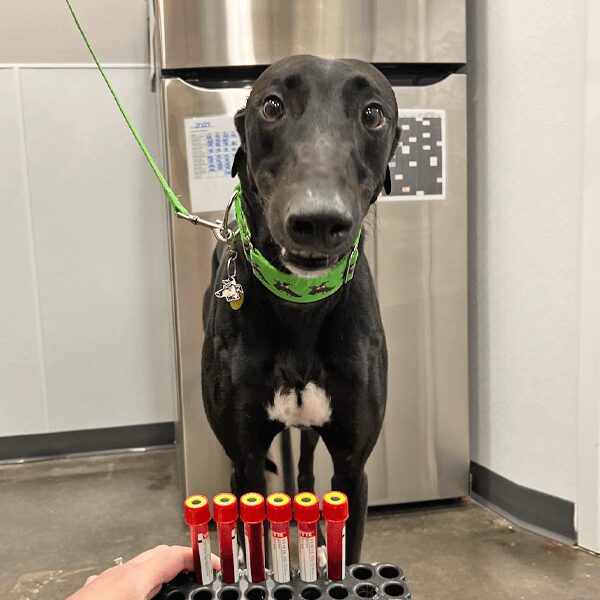
But as is common in smaller dogs, Bella was far too anxious for the team to safely collect her blood. Thankfully, our team works with dog blood donors like Jimmy (at right).

Jimmy is a Greyhound, which means he’s considered a universal blood donor for other dogs. Jimmy visited Remedy and allowed our team to carefully collect his blood and turn it into eye drops for Bella. Bella is now on her way to recovery thanks to the magic of modern veterinary medicine and help from an unexpected friend.

July 11, 2023