Close X

Enter a search request and press enter. Press Esc or the X to close.

Please join us in celebrating!

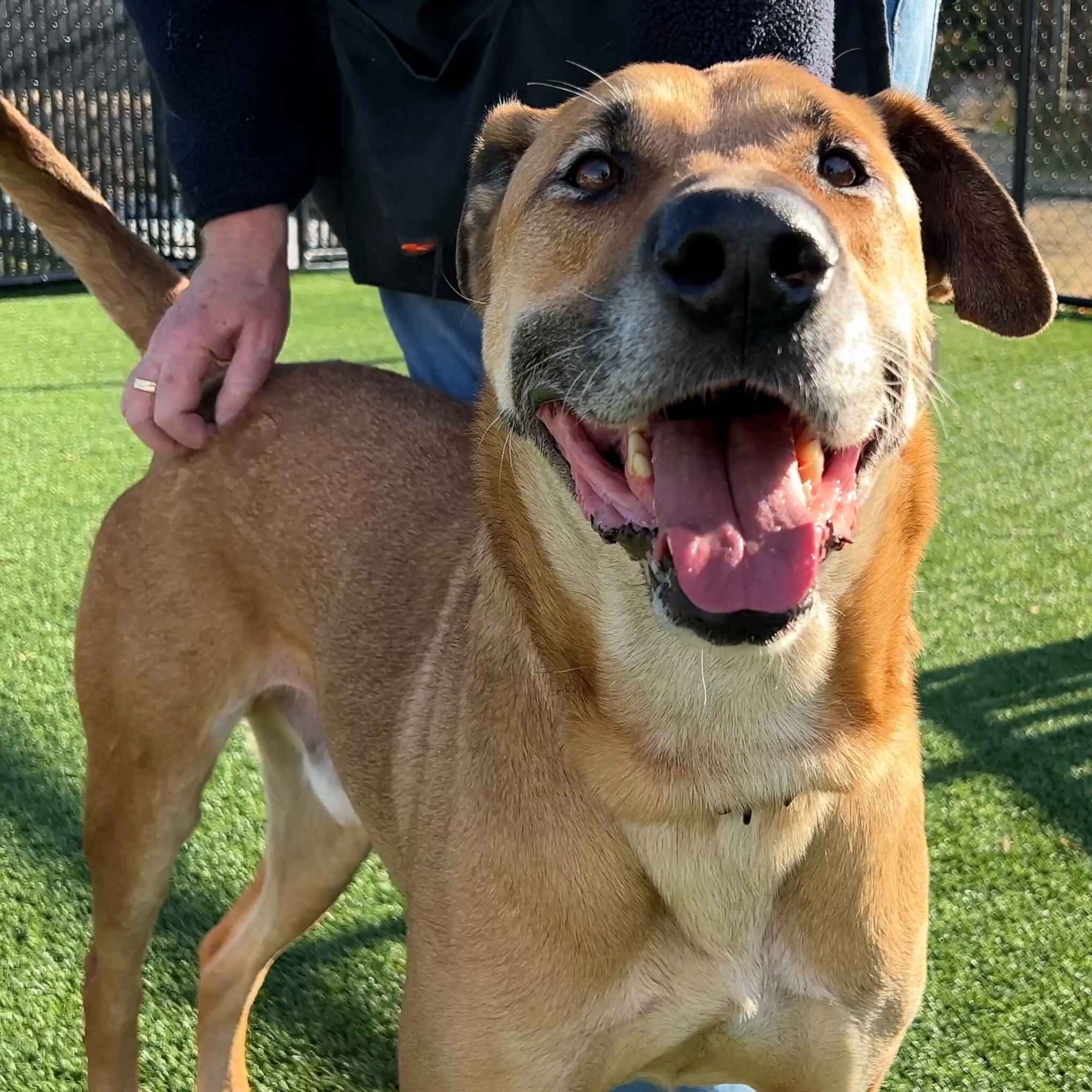
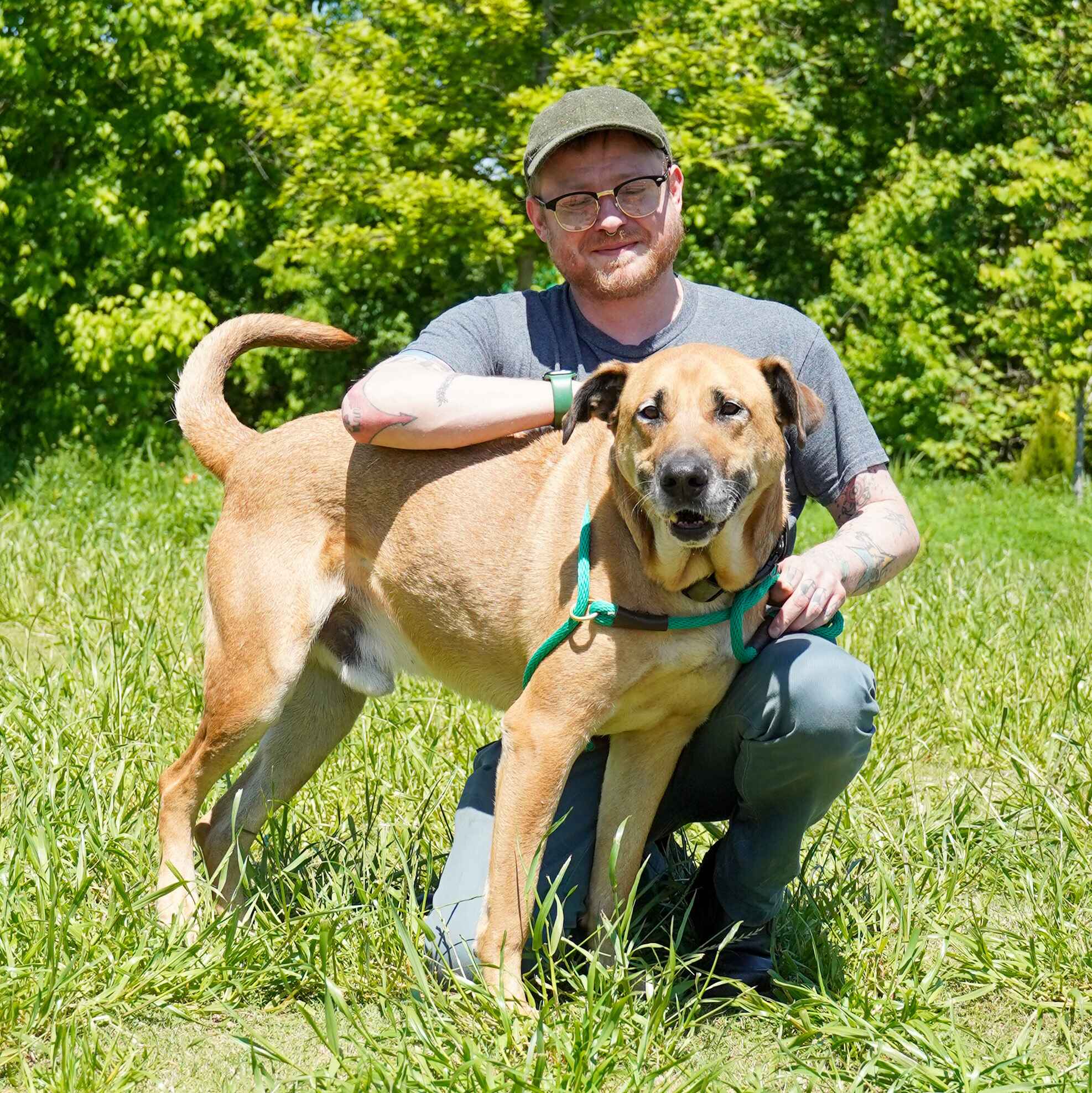
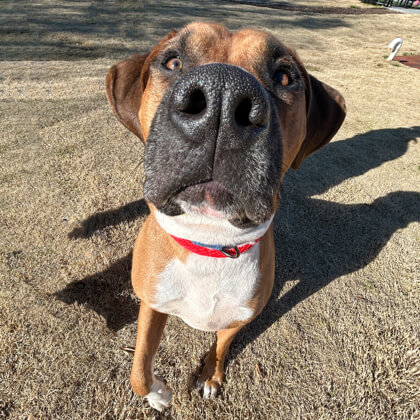
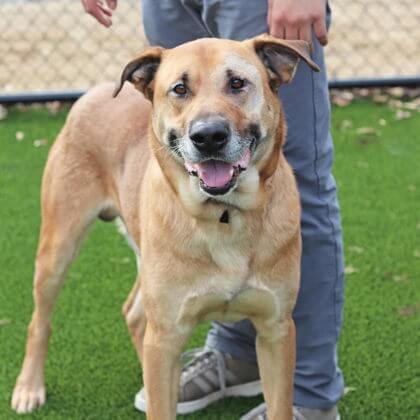
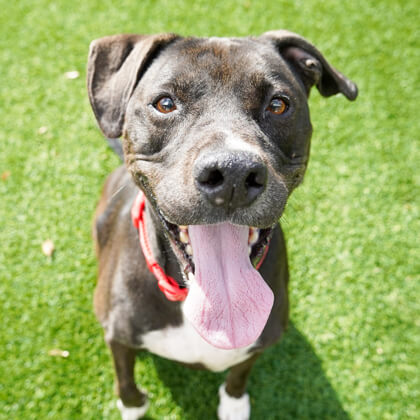
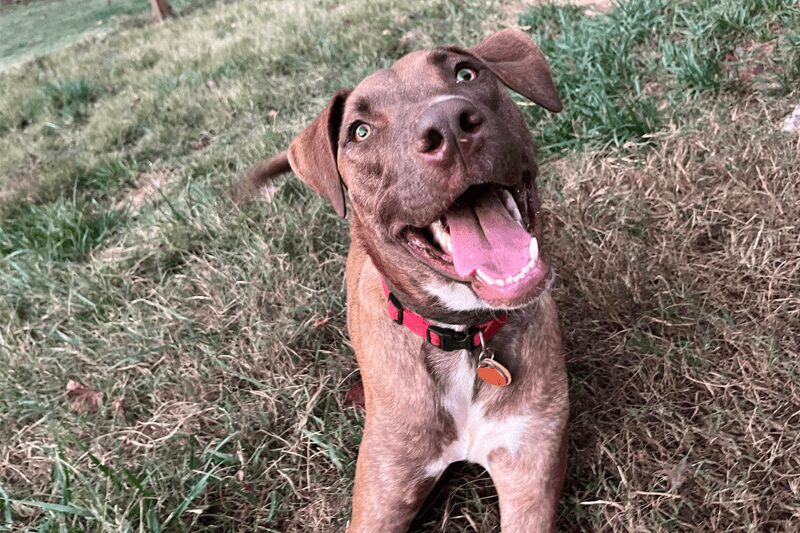
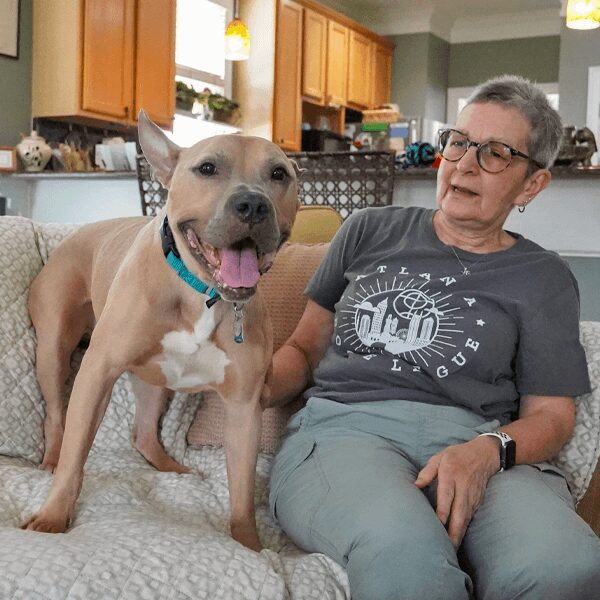
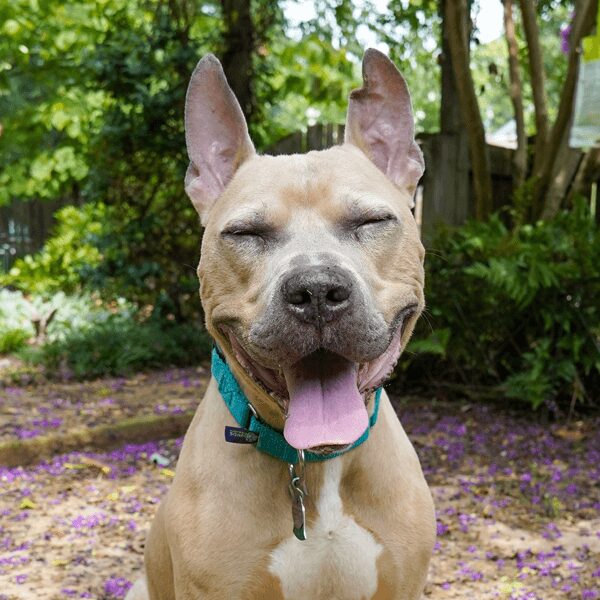
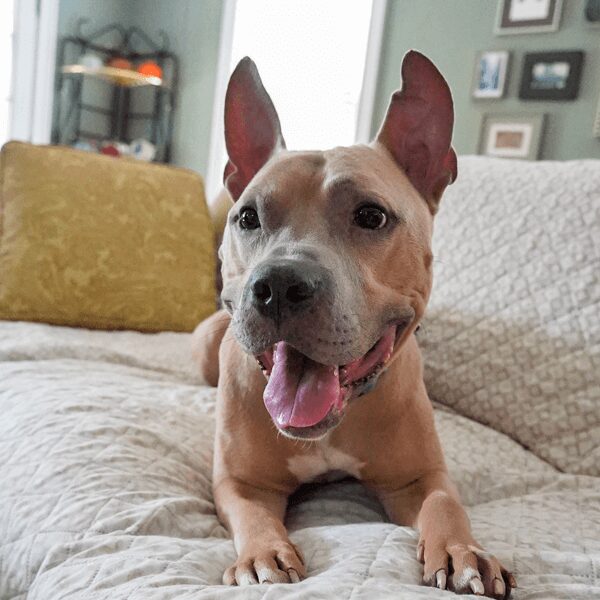
Walter P. Vogelsburg has been at the Atlanta Humane Society since 2022, and is still looking for a place to call home. A big goofball with a heart of pure gold, he’s a staff favorite and could use a little extra TLC from the community to help get him adopted.

Square (1)
Untitled 1
ADSC09860 copy (1)

After living in the shelter off and on for the past two years, Vogelsburg deserves something special. He deserves a day that is dedicated solely to him.

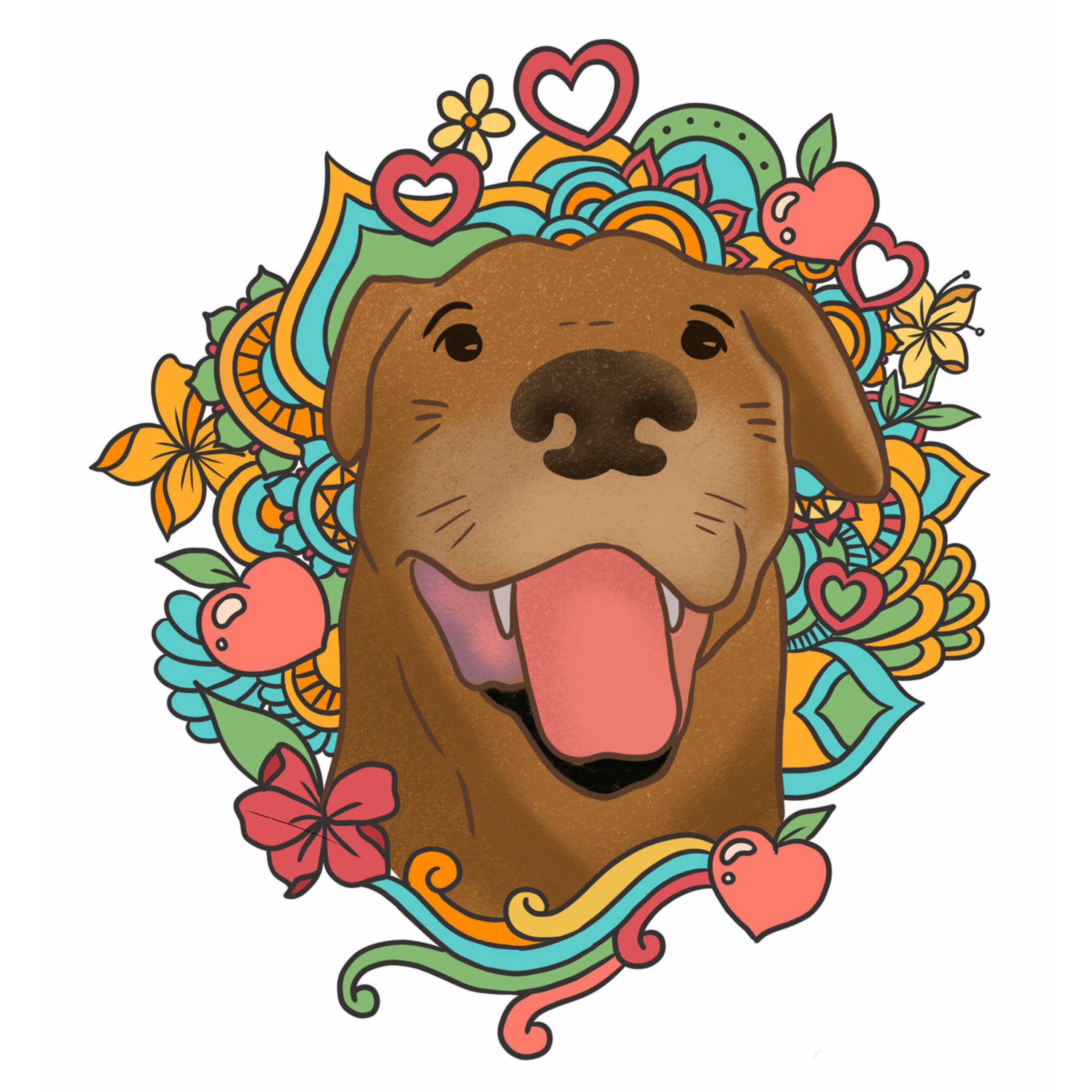
Which is why we have declared May 1 as Walter P. Vogelsburg Day!

Vogelsburg will be taking over our social channels all day long, so make sure you follow along on the adventure as we make Walter P. Vogelsburg Day his best day ever!

You can help Vogelsburg by: Sharing his posts, sending this page to your friends and family, or printing his flyer and putting it up at your local establishments. And keep an eye out for the yard signs and posters that may be popping up around Atlanta!

Let’s rally together for Vogelsburg and get him into the loving, forever home he deserves.

April 30, 2024

Blog

Every spring, we ask our dedicated friends and supporters to participate in the Atlanta Humane Society’s Annual Loyal Friend Survey.

There’s no better way to be of service to the animals in our care than to get the valued input of their strongest advocates.

Please take a few minutes to share your thoughts on…
• The programs and services we offer to rescue and heal Atlanta’s animals in need.
• How our work can best align with the causes you most care about — and keep you informed about the animals you save through your support.
• How best to reach out to other animal lovers just like you to garner more support and save more lives.

Your opinion matters to us and, as a dedicated friend to Atlanta’s animals in need, we want your voice to be heard.

Provide Your Feedback Below

April 30, 2024

Join us in celebrating the holiday spirit by shining a spotlight on our adorable adoptable animals who have made their way onto Santa’s exclusive lists! Meet the cuddly companions who’ve melted our hearts with their sweet personalities and learn about the playful troublemakers who will ensure your life is filled with laughter and endless affection.

Not ready to adopt? Bring a wrapped gift for our shelter animals during our open hours! Blankets, towels, high-value treats, and durable chew toys are at the top of the list, but we truly appreciate everything.

The Nice List

Tis’ the season of love and joy, and the animals on our Nice List are ready to steal your hearts! These cats and dogs are full of love to share, so make your home merrier by adopting one of them!

adopt sturgill

Sturgill: This volunteer favorite will make you fall in love with him! Santa might just adopt him to help deliver presents since he does well in the car.

adopt sparkle

Sparkle: This girl is best friend material and wants to be the only animal in the home for that reason.

adopt ummi

Ummi: As a social butterfly, Ummi will have no problems welcoming holiday guests to your home!

The Naughty List

For those who prefer a bit of mischief and charm, the animals on our Naughty List are here to add some spice to your life! These cats and dogs may have a mischievous side to them, but underneath that exterior is a lot of love. Embrace the quirks and laughter that come with these delightful troublemakers when you adopt from the Naughty List. Come meet your match and let the festivities begin! Bonus: All animals on the Naughty List go home for $0!

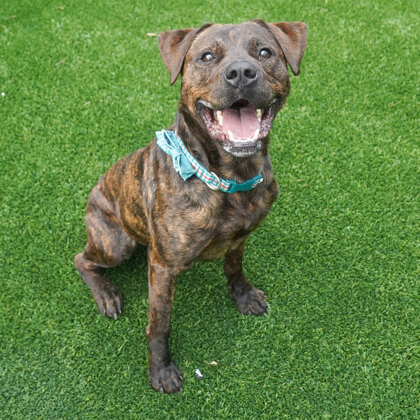
adopt president

President: If you’re a squeaky toy, watch out! President will destroy you in a second.

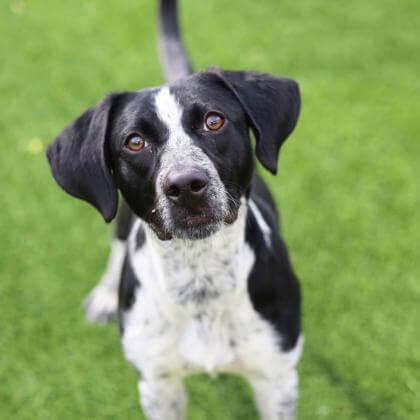
adopt bricks

Bricks: Might be a defective toy from Santa’s Workshop because his tail won’t stop wagging.

adopt hugo

Hugo: May or may not have knocked over the Christmas tree.

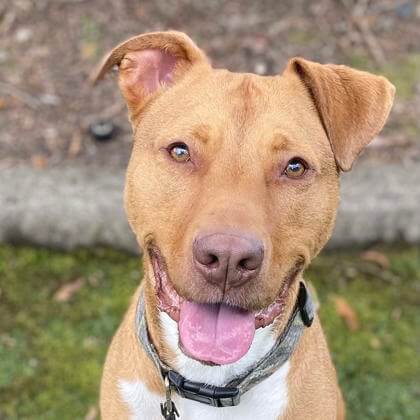
adopt vogelsburg

Vogelsburg: Drank too much party punch and ended up dancing on the kitchen table.

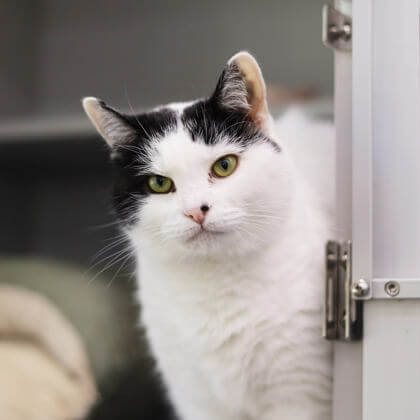
adopt milly

Milly: Known for stealing toys out of Santa’s bag.

adopt andros

Andros: Sneaks a peek at the presents.


Don’t see anyone who catches your eye? View all of our adoptable animals here.

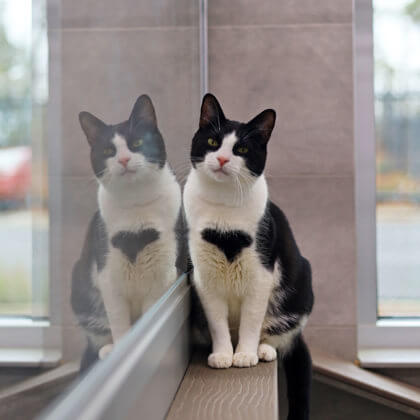
You’ve fallen in love with a set of whiskers and eyes that are staring straight into your very soul. You are all ready to take the plunge into adoption and then you see the note that this sweet feline has FLUTD. What is that and should you reevaluate love at first sight?

Feline Lower Urinary Tract Disease (FLUTD) is a name used to cover several different urinary tract conditions that affect the bladder and urethra and can cause pain and difficulty in urinating. In extreme cases, a cat’s urethra can become obstructed or blocked, preventing them from emptying their bladder and even leading to death. Because of this, you should never ignore symptoms but instead seek medical attention if you notice them in your pet. And regardless of the specific condition or cause, the symptoms are the same as several others, which can make it one of the more frustrating issues to diagnose.

While FLUTD tends to be a lifelong condition, the good news is that the majority of cases of FLUTD in cats or kittens can be successfully managed through diet, medication, and environmental changes. With proper treatment, a cat can go years between flare-ups or cease to exhibit symptoms at all.

Signs of FLUTD include:

  • Straining to urinate
  • Frequent attempts to urinate
  • Crying while urinating
  • Excessive licking of the genital area
  • Blood in urine
  • Irritability and restlessness
  • Hard or distended abdomen
  • Urinating outside the litter box

FLUTD can occur at any age but more typically is seen in older, overweight cats that get little exercise and exclusively eat a diet of dry food. Diabetes and kidney disease can also contribute to FLUTD, so they should be ruled out as the primary underlying cause.

Potential causes and treatments of FLUTD include:

  • Idiopathic cystitis: the most common cause of FLUTD in younger cats, this term means that the cause cannot be determined even with extensive testing. Idiopathic cystitis often resolves within a few weeks, so treatment focuses on medication to reduce inflammation and pain as well as preventative actions to decrease the likelihood of recurrence.
  • Urinary tract infections: UTIs are caused by bacteria and most commonly occur in female and older cats. Treatment typically includes antibiotics.
  • Bladder stones: these may result from a combination of diet and genetics and represent 10-20% of cases of FLUTD. Treatment can include cystotomy (surgery to remove the stones), expelling stones utilizing a catheter, and a specialized diet.
  • Urethral blockage: male cats may be more at risk of developing urethral blockage due to having more narrow urethras than females. Treatment can include flushing the blockage via catheterization as well as surgery to remove the blockages.
  • Neoplasia: abnormal growth of cells, or tumors, both benign and cancerous, is a rare cause of FLUTD, representing 1-5% of cases. Treatment can include surgical removal of tumors, medication, and chemotherapy.
  • Stress: cats and kittens like routine. It is thought that changes in their environment (being in a shelter or a new home, changes to the number of animals in the household, etc.) or disruption to their daily routine (changes to their feeding schedule, food, etc.) can contribute to FLUTD. In this case, treatment includes decreasing stress by maintaining a consistent daily routine and creating a calm, safe environment.

Depending on the underlying cause of FLUTD, the symptoms may never or only occasionally reoccur. To help prevent FLUTD in a healthy cat or reduce the chances of recurrence, there are several actions you can take at home. These include:

  • Providing clean, fresh water at all times. Use specially designed running water fountains to encourage increased water consumption.
  • Feeding small meals on a frequent and regular basis.
  • Consulting your vet about the best diet for your cat, especially if they have had FLUTD before. While commercially available cat food may be appropriate, some cats will do best with prescription diets that increase acidity of urine.
  • Providing an appropriate number of litter boxes (one more than the number of cats in the household) with the type of litter your cat prefers. These should be kept in quiet and easily accessible locations, and it is also critical to keep them clean, with the litter changed weekly.
  • Minimizing major changes in the daily routines of your cats and reducing stress-inducing events.
  • Maintaining regular vet visits with annual checkups to catch health issues before they become big issues.
December 18, 2023

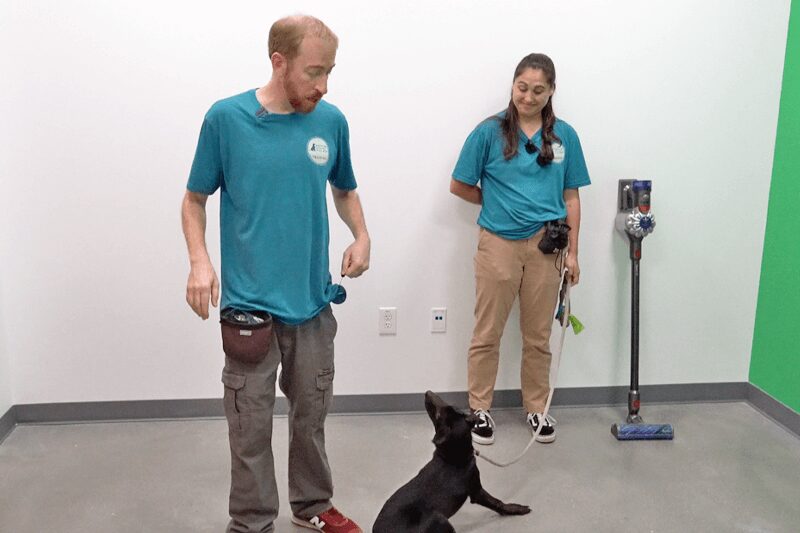
We’ve partnered with Barking Hound Village to provide training resources for pet owners who need assistance. Learn more about preventing rude behavior in your dog by watching the video and reading the training guide below.


bhv training video cover

Properly socializing a puppy when they’re young is one of the most important things you can do to prevent future behavioral issues. Puppies go through a critical period of socialization in the first three to four months of their lives, which is a time when their fear responses are lowered, allowing them to explore the world around them. As puppies get older, they may become more fearful of novel stimuli and things they have not yet encountered. That means your first goal with socialization is to expose your puppy to anything they need to be comfortable with when they get older.

Now, this doesn’t mean you should just throw your puppy right into the deep end! To make sure socialization is a positive experience that helps build your puppy’s confidence, go slow and pay close attention to their body language and behavior. Fearful body language tends to lean back, lower, and tuck. Ears may pin back. The head may lower. Stretching—holding weight back while exploring something—is a clear sign of fear. And everyone knows that a tucked tail means a dog is fearful. If you see some of these signals, give your dog distance from the source of the fear and use lots of yummy treats to make it a positive experience. Watch for your dog’s body language to return back to normal before taking the next step.

As trainers, we recommend trying to expose puppies to five NEW things within the following five categories every week as they mature. We start with people. It’s important for your dog to meet new people in and outside the home. Take it slow and don’t throw any big parties right after your puppy comes home. Start with one or two people and build up to larger crowds. It’s important that you expose them to all shapes and sizes, including tall, loud adults and small, quick-moving children.

Next, your puppy needs to meet other dogs. If your puppy has not yet completed their full set of puppy vaccinations, make sure to keep dog socialization safe. Puppy classes can be a great way to get a jump on dog socialization. (Check out our AKC S.T.A.R. Puppy Class at Barking Hound’s website) If you have friends with dogs that are well-socialized and up-to-date on their yearly shots, playdates can be a great way to ease your puppy into more extensive dog play like daycare.

Objects and sounds can be a frequent source of fear as your puppy ages. Don’t wait for July 4th and Halloween to find out your dog is terrified of the firework sounds and yard decorations. Use treats to encourage your dog to get closer to objects that cause fear, like the vacuum cleaner. It should ALWAYS be your dog’s decision to approach. Never force them. Play fireworks and thunder sounds on your phone or computer and give your puppy some yummy treats while they listen. Associate the positive experience with an easy level of these sounds and work your way up to the real thing.

And finally, it’s important to take your dog to new environments. Dogs don’t generalize well. Just because they’re happy at a nearby park doesn’t mean they’ll be comfortable at another one. Many local stores like Home Depot will let you bring your dog inside, and there are several dog-friendly restaurants and breweries around town. If your dog is shy, go when it’s calm and give them some distance from the action. If they’re confident, let them make as many friends as possible. And, as always, be safe with puppies not yet finished with their vaccinations and avoid dog-heavy locations.

Help your puppy start life on the right paw. Done right, socialization can give them the confidence and coping skills to handle anything thrown their way. And have fun with them throughout the process! Dogs pay close attention to our body language and behavior. If you’re happy and relaxed, your puppy is far more likely to be so as well!

Check out Barking Hound Village for more information, or contact them at (404)-369-2014 or [email protected] to set up a session!

December 14, 2023
thanksgiving video cover

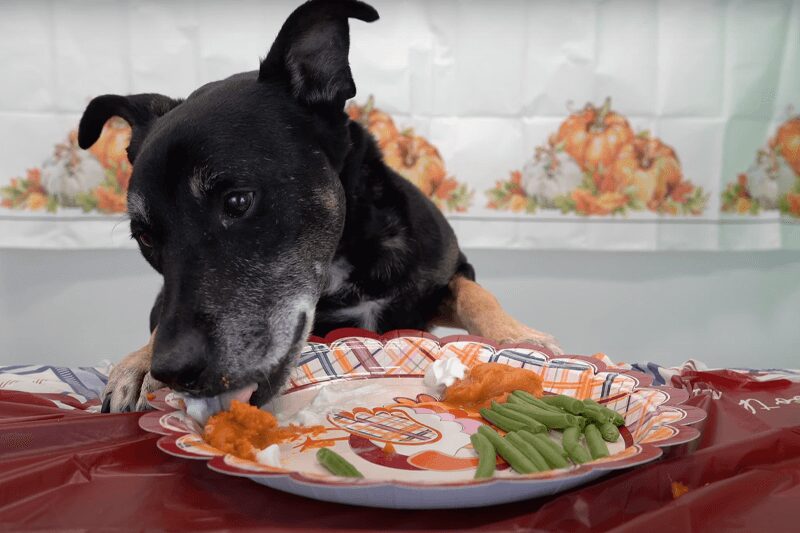
Thank you for donating Thanksgiving meals to ensure that our shelter animals have something special to be thankful for today!

Your gift is already being put to work, and you won’t want to miss the whisker-lickin’ cuteness.

P.S. It’s not too late to donate a Thanksgiving meal to a shelter pet! For just $25, you can help provide an animal with a lip-smacking meal of sweet potatoes, green beans, turkey, pumpkin, and more.

We’re thankful for you every day … but especially today, when you’ve provided our animals with a taste of home.

November 22, 2023
specter smiling

When we opened our doors at the Arthur M. Blank Family Animal Center last year, we knew the lives of Atlanta’s animals would be changed forever. The facility was, in part, designed to minimize fear and stress in shelter animals, increase our ability to provide behavior enrichment and training, and grow our support of volunteer foster families.

For animals like Specter, these improvements are critical. And your gift right now will be triple-matched to help animals just like him.

Since he first came into our care nearly a year ago, Specter has benefited from our dedicated Behavior Team’s work to reduce his unwanted behaviors caused by overstimulation. And when our team determined that living in a foster home would be the best next step for him to learn about life with a family, he truly flourished.

You can help make stories like this possible when you give now and have your gift triple-matched.

If you’re interested in learning how you can adopt Specter, click here.

November 22, 2023

You’ve just finished a delicious holiday lunch or dinner, and now all you want is to clear the table and plop down into your favorite chair to relax. You take the dishes and leftover food to the kitchen and return to a quiet afternoon with family, friends, and your beloved dog.

But while you’re taking it easy, your dog sniffs the delightful smells in the kitchen, sneaks away, and eats their fill of the leftover food. Several hours later, you realize that your dog is in real distress. They seem unusually tired and have begun vomiting yellow or greenish bile. They show signs of abdominal pain, such as whimpering or a hunched back, and have diarrhea. Later, a fever develops.

What has happened is common when a dog has access to ‘people food’ instead of dog food. During the holidays, your dog may discover leftovers of turkey, poultry skin, and gravy, whose high-fat content and seasoning can trigger pancreatitis, a painful inflammation of the pancreas that makes pets extremely sick. This condition can lead to dehydration, organ damage, diabetes, and, in severe cases, even death.

Other ‘people foods’ that can cause pancreatitis include cheeses and creamy sauces, high-fat or spicy processed meats and sausages, and baked goods that contain fat and sugars. Your dog’s digestive system is not equipped to handle these rich or spicy foods, and the result can be deadly.

So how can you help your dog avoid developing pancreatitis? Here are the best ways:

  • Keep your dog on their normal, balanced diet throughout the holidays.
  • Divide their daily food amount into several smaller meals. Avoid giving them their full daily ration at one time.
  • Don’t increase the amount of their food just because you’re celebrating a holiday. Your dog will be just as happy with their regular diet when you teach them that he won’t receive any food from the table.
  • Tell your guests that ‘people food’ is completely off-limits for your dog. If anyone tries to feed them something outside of their regular dog food, remove the dog from the room to keep them safe. You can also give guests a small dish of healthful treats, such as carrot sticks, instead.
  • Offer your dog treats occasionally instead of making them a regular part of their diet. Make sure that the treats are low in fat.
  • Maintain your dog’s health by making sure they have plenty of exercise that’s consistent with their age and physical condition.
  • Remain alert to any symptoms of pancreatitis in your dog. If they show evidence of this dangerous condition, such as vomiting, diarrhea, abdominal pain, or unusual tiredness, get immediate veterinary care for them.
November 21, 2023
pharaoh with foster mom
pharaoh smiling
pharaoh couch

When we first met Pharaoh, we were worried about this sweet boy. He had cancer, among other medical issues, and we weren’t sure how much life he had left in him.

But our Shelter Medicine Team was determined to give Pharaoh as many good days as possible and placed him on a special medical plan to ensure that happened.

Now, Pharaoh is living his best life in a “fospice,” or foster hospice, home. We don’t know how long he has left, but his loving foster caregiver is ensuring that his days are filled with happiness, snuggles, treats, and all the attention he deserves.

Thanks to you, animals like Pharaoh are given all the love and care they deserve, no matter what. Your support impacts thousands of animals, and you change so many lives.

November 21, 2023

We love our dogs so much that we sometimes overdo the treats, but we have to remain aware of one important fact: when a dog expands over his ideal weight, he can suffer greatly.

Obesity is one of the most common nutritional disorders in dogs. Overweight dogs are at higher risk for serious disorders, including heart disease, diabetes, and arthritis, and reduced life expectancy – an average of two years less than healthy-weight dogs of the same breed.

Preventing weight gain is not difficult. Dogs that receive regular exercise and a balanced diet, including treat control and a lack of table scraps, can maintain a healthy weight all their lives. The following tips can help:

  • Before you make any changes, consult with your veterinarian to develop a weight management plan that’s tailored specifically for your dog. The plan usually includes a specialized diet and an exercise routine. Before making these plans, your vet will examine your dog’s overall health and consider the dog’s current activity level and dietary needs.
  • A diet plan designed for your dog usually provides fewer calories while giving your dog the nutrients essential for good health. Most diets have high-fiber content to help your dog feel full even when they’re eating fewer calories. Some diets include hydrolyzed proteins that are broken down into smaller components that dogs can digest easily. Also, since wet dog food usually has fewer calories per gram than dry kibble, the vet may recommend wet food as part of your dog’s diet.
  • An exercise plan to help your dog lose weight usually includes at least 30 minutes of brisk walking twice a day and longer walks if your dog is comfortable with them. In addition, swimming provides low-impact exercise for your dog and is especially useful if the dog has arthritis. Here are other ways to add exercise to your dog’s days:
    • Interactive games, such as fetch and chasing a ball, encourage your dog to have fun with you while shedding ounces.
    • Obedience classes or at-home training can keep your dog more physically active and can offer the mental stimulation that can keep up his spirits.
    • Set up a simple agility course with sturdy items to hop up on and go underneath, such as a broom propped across two lower items.
    • If your dog enjoys the company of other canines, arrange a regular playdate several times a week with another dog. Playtime for dogs usually includes a lot of running around and changing direction, both of which help to burn calories.
    • A treasure hunt can encourage your dog to move, so hide one of his favorite toys or a low-calorie treat and let him sniff and run around to locate these treasures.

Always keep in mind that patience is key to any weight loss program. Returning to a normal weight may take months or longer. Your consistent efforts to encourage your dog’s physical activity, combined with the veterinarian-designed diet, can make all the difference in your dog’s health and length of life.

November 14, 2023