Close X

Enter a search request and press enter. Press Esc or the X to close.

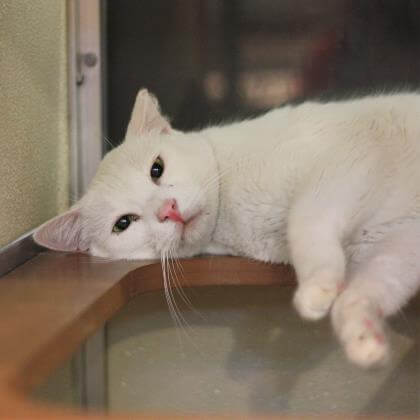
Casper was surrendered to Atlanta Humane because he has stomatitis and the owners could not afford his medical care. Stomatitis is a condition that causes painful swelling and sores inside the mouth. Often, the best treatment is to do a full-mouth extraction to minimize the amount of bacteria that causes inflammation

Casper recently underwent oral surgery and is in need of a calm home to recover in. He is extremely easy to medicate because he’s a ravenous eater; his foster caregiver will only need to throw his meds in his food and ensure he eats them.

Casper has lived with other cats before and is hoping that you can provide a loving home to recover in.

casper
May 8, 2023

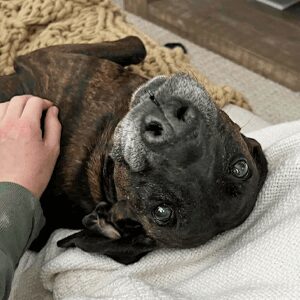
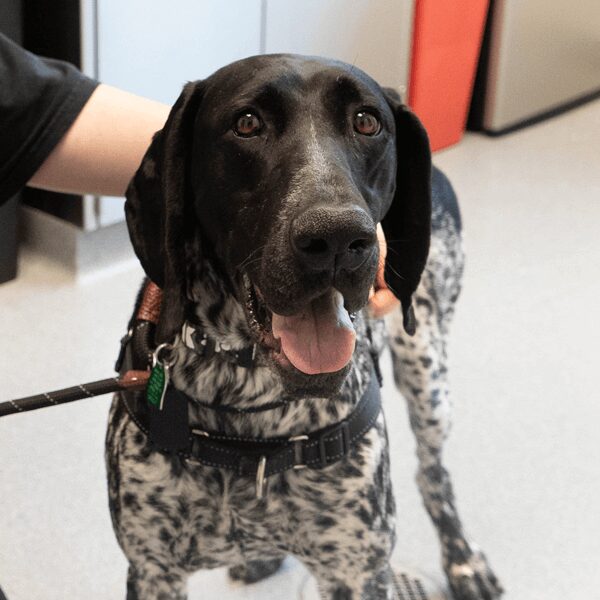
Clyde is a super sweet and fun dog who just wants to be with his people, whether that’s following you around the house, going on walks, or playing with toys together.

Clyde is house-trained, crate-trained, walks well on a leash, and does well in the car. He’s quick to settle down and snuggle with you when he knows it’s quiet time. He has done well when meeting children as young as 5 and has a very soft mouth when taking toys and food. He’s great with other dogs but cats are an unknown.

Clyde is considered a fospice case and is not available for adoption. He has hemangiosarcoma on his foot, and our vets have determined that tumor removal or leg amputation won’t extend his life very long. He isn’t currently showing any symptoms of being sick and has a prognosis of 1 year.

Clyde is looking for a loving foster home to help him enjoy the good life for whatever time he has left.

foster clyde


clyde
May 8, 2023

Caring for your beloved pet can seem overwhelming at times. That’s why including regular bloodwork in their health plan is so important.

Bloodwork helps your veterinarian diagnose future concerns by producing an accurate baseline for internal metabolism. That baseline can then be used to compare blood test results later in life. There is a long list of conditions that can be diagnosed by blood tests, including diabetes, liver and kidney disease, hyperthyroidism, anemia, Feline Leukemia (FeLV), Feline Immunodeficiency Virus (FIV), blood clotting disorders, and more.

Every pet is different, and blood tests should be requested by a veterinarian after careful professional analysis. Bloodwork is unlikely to make a significant difference for young healthy pets, but will set a baseline for their care in the future. For senior pets, however, regular testing is strongly recommended, as some diseases become more common in old age and early diagnosis can allow earlier and more effective treatment.

Your veterinarian can guide decisions related to bloodwork. A general recommendation is to have your pet’s blood work done annually. Senior pets—dogs 8 years old or older and cats 11 years old or older—benefit from having routine blood work every 6 months because their health can deteriorate as they age. Early detection of abnormalities in organ function can be key to identifying health conditions at an early stage so that prompt, more effective treatment can be given. There may also be other factors in your decision, such as when anesthesia or surgery is planned. If there are abnormal parameters, such as bleeding disorders, a procedure may be deferred.

Animals are fiercely stoic and it can be hard to know when they may be in pain. Bloodwork can offer peace of mind, confirming that your pet is happy and healthy.

May 6, 2023

You’ve got a new dog. Congratulations! Whether they’re a puppy or an adult, you’ll want to make sure your dog knows basic manners. While some people do like to teach their dogs fun tricks and games, we’re going to focus on the basics – sit, stay, place or lay down, come, leave it, and drop it. Maybe these aren’t the flashy commands, but they’re the essentials! The most important reason to teach these is safety. That’s safety for your dog, yourself, and anyone else around.

Sit: Sit is essentially the building block of all commands. By making sure your dog responds to sit, you can instantly prevent him from jumping or getting out of control. In fact, rather than saying “no” when it comes to behaviors like counter surfing or jumping on people, you can cue sit. “No” isn’t an action, so it’s hard for your dog to know what to do, but your dog can physically sit and prevent a negative behavior.

Stay: Just like sit, stay is an essential cue for helping to control your dog and keep him safe. How about coming in the house with an armload of groceries? You can tell your dog to “stay” so he won’t rush out the open door. Stay can take a little longer to master than sit, but it’s just as essential for a well-mannered friend, so make sure you’re using it correctly and rewarding often.

Place/down: This is a game changer for the jumpy dog. Many of us are familiar with those 10 minutes when our friends come over. Your dog jumps like a kangaroo, your guests feel awkward (and maybe afraid), and you’re yelling “no” repeatedly. Just imagine an alternative. You simply say “place,” and your dog stays in her designated spot. Often, this is their bed or another safe area. If you’re out and about with your dog, you can’t cue “place,” but “down” can have the same effect. Make sure your dog knows what’s required of the ask, such as his belly being fully on the ground. This may require lots of praise and treats but is invaluable in helping your dog settle.

Come: One of the most common fears of dog parents is their dog getting loose and not returning. This could happen if you accidentally lose grip of the leash, if your dog escapes from the house, or even if your dog is good off-leash but decides to chase a squirrel that came too close. When you’re first using “come,” make sure your dog is either in a fenced area or you have a hold of his leash. The most important thing is to ‘throw a party’ when he comes by giving lots of excitement, praise, and tasty treats. Even if he takes his time getting to you, throw that party. You never want to scold them when they come, even after a freedom run.

Leave it: Leave it is crucial in a few situations. First, maybe you’re taking a walk and passing by an overflowing trash can or your dog spies a half-eaten candy bar on the ground. Rather than wrestling your dog away from it, or it out of her mouth, cue “leave it.” She should walk right by. “Leave it” helps prevent things before they happen.

Drop it: Drop it is great when it’s too late for “leave it.” Maybe your dog comes proudly to you with a chipmunk in his mouth. It’s the perfect time to use “drop it.” This prevents you from physically trying to take something from your dog’s mouth and is great for resource guarders. Practice with less-desirable objects and reward with high-value treats.

The common thread is all of these basic commands create a positive action. When you simply tell your dog “no,” they’re not really sure what to do. But with a clear and well-learned command, they’ll be able to execute a positive behavior before a negative one occurs. Remember, repetition, patience, and tasty treats are key. The better mannered your dog is, the more fun he’ll be to have around. Also, don’t hesitate to enlist the help of an experienced trainer, preferably one who can teach you and your dog in your own environment. This is one of the best things you can do for your pup!

May 5, 2023

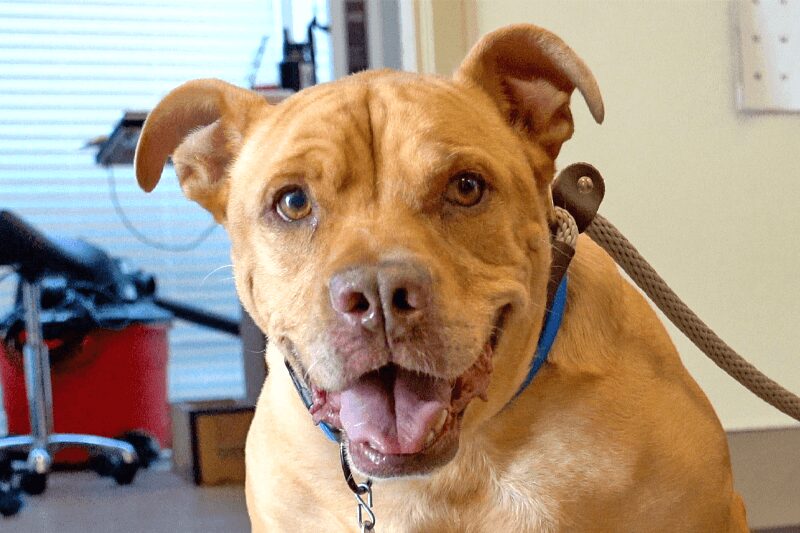
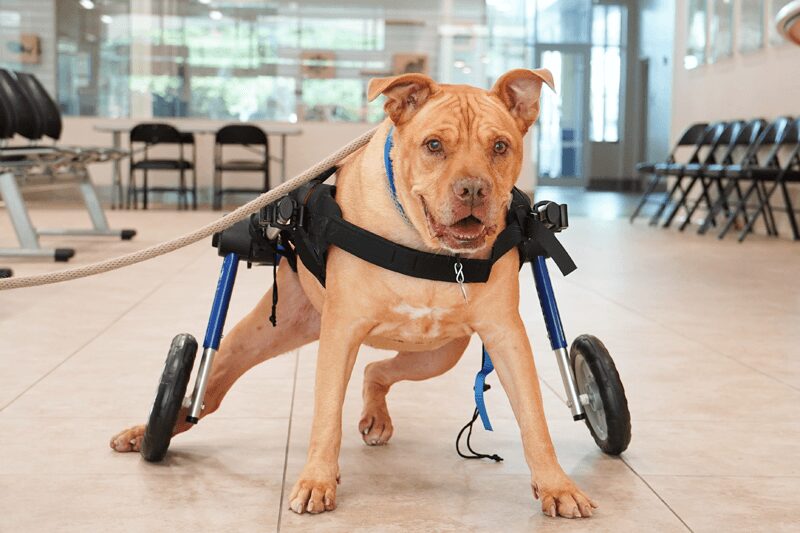
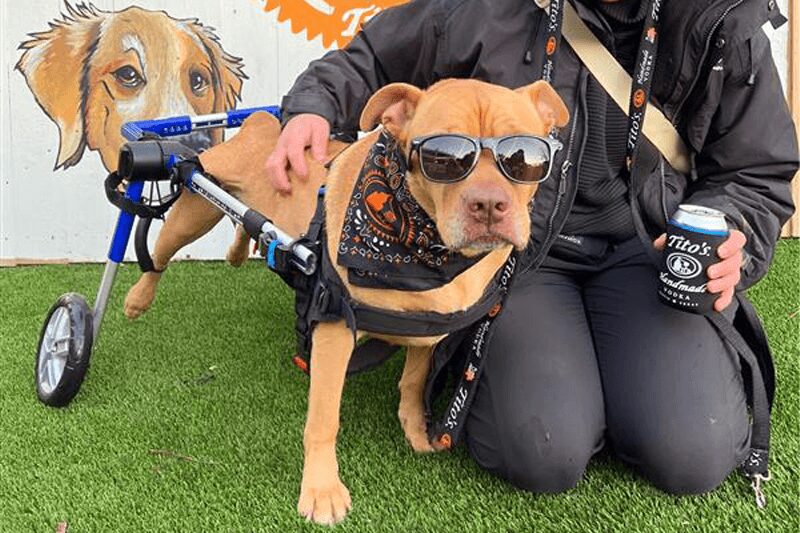
Meet Joey, a squishy, derpy love bug who’s looking for a family of his own!

This certified Very Good Boy™ is a staff and volunteer favorite in the shelter for many reasons. He has good manners, is housebroken, enjoys meeting people, frequently seeks out belly rubs, enjoys baths, and is an affectionate cuddle bug who loves to get smooches. Previous fosters have noted that he is the sweetest dog they’ve ever met!

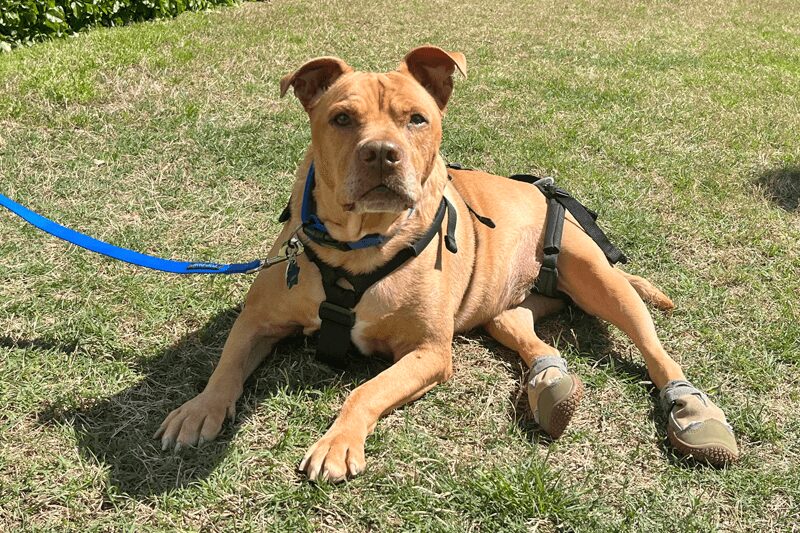
Joey has been looking for a new home for a while, and we think it’s because he has a spinal condition that affects his back legs. He can’t walk without the assistance of a wheelchair, but he doesn’t let that stop him at all! He’ll scoot around your home just fine and when you’re ready for more adventures, he’ll wait patiently while you get him in his wheelchair. Although it may seem like a lot of hassle, getting his wheelchair and booties on and off is very quick when you have such a well-behaved dog.

Joey’s ideal home is one without stairs. And while he’s dog friendly outside of the home, he wants all of your love and isn’t willing to share that with any other pets in your home.

This universally adored dog deserves to spend his life in a comfortable home with someone to spoil him. Can you make that happen? If you’re interested in adopting Joey, you can visit him at our Alpharetta location. Joey also qualifies for our Foster First Program, which means you can take him home for two weeks to make sure everything goes OK before the adoption is final.

May 3, 2023

Foster homes serve an invaluable role in the welfare of animals. Some animals come into the shelter healthy, happy-go-lucky, and exhibiting low signs of stress. These animals are immediately ready for adoption. On the other hand, there are animals with medical conditions who are experiencing high levels of stress or that are under-socialized and may not be ready for adoption. For animals like these, adoption may not be immediate and they are instead considered good candidates for foster. Let’s take a deeper look at circumstances that create a need for foster home support.

Medical Conditions: Animals that have a medical condition are best suited for foster homes. Recovery is often quicker when the stress of the shelter is removed and one-on-one care can be provided. Medical conditions can range from amputations and broken bones to upper respiratory infections and more severe conditions like neurological disorders. Treatments may include wound care, ointment application, breathing treatments, physical therapy, or simply giving medication. The environment and care received in foster is preferred and more suitable to what can be provided in a shelter, where the staff’s attention is overwhelmingly divided among all the animals in the shelter.

Fear, Anxiety, Stress: As you can imagine, shelters can be stressful. There are a lot of animals, many noises, and constant motion. Animals who are ordinarily well-balanced may show symptoms of fear, anxiety, and stress (FAS) in the shelter. Behaviors caused by FAS can show up in a variety of ways, including, cowering in the back of the kennel or condo, hiding, being reluctant to exit the kennel, shaking, barking, biting, hissing, swatting, and refusing to eat. Animals that are exhibiting high levels of FAS are unlikely to be adopted. In foster, the animal is able to be the best version of itself and therefore has the best opportunity to be adopted.

Undersocialization: Under-socialized animals are frequently accepted into the shelter. These are a distinct group of dogs and cats that have had little to no exposure to humans. Under socialization can occur in circumstances such as animal hoarding or being born in the wild. In this case, the animal does not allow handling. While staff does work with these animals and they do make progress, it is often slow due to the limited time a staff member is able to work with the animal. Atlanta Humane tries to place under-socialized animals in foster homes, where socialization can be done more effectively and progress can be made more quickly. Under-socialized animals have so much untapped potential. With time spent in foster, the animal can regularly and consistently interact with a dedicated human(s) and acclimate to living inside a home. In these situations, fostering is a special opportunity for the animal to truly flourish. In addition, foster parents learn a lot about the dog or cat and any specific needs they have that can help ensure they are paired with the right forever family.

Overstimulation: Have you ever gone to the shelter and seen a dog chronically barking or walking in circles? This may be overstimulation. Overstimulation occurs when the external stimuli (e.g. loud noises, smells, constant motion) become overwhelming. Inside the shelter, animals are bombarded with this type of external stimuli, which can lead to feelings of being overwhelmed. This manifests itself in behaviors like hyperactivity, reactivity, obsessive behaviors, and aggression. Moving these animals into foster not only decreases the exposure to the stimuli but is also an opportunity for the animal to receive socialization, exercise, and mental stimulation. With this combination, the overstimulation is eliminated and the animal can begin to thrive as they look for their forever home.

Long timers: Shelters are meant to be short-term places for animals to be loved and cared for while waiting for a forever home. Unfortunately, through no fault of their own, some animals take longer than others to find the right home. Once an animal has been in the shelter for an extended period of time, Atlanta Humane tries to place them in foster. The mental and emotional state of the animal can suffer when they’re in a shelter environment for a long time. In foster, the dog or cat has the opportunity to decompress, get into a routine with a family, and begin to learn positive behaviors that cannot be learned otherwise.

Babies: Plain and simple, shelters are not a place for young animals. Newborns need the opportunity to develop their immune systems and spend time in a quiet place under the care of their mother. If the newborns are orphaned, they require around-the-clock care that shelters are unable to provide. In all these situations, foster care is mandatory until the animals are old enough to be spayed/neutered. Once that happens, the puppies and kittens can come into the shelter for adoption.

Shelters are not an ideal stop in an animal’s life journey. And while shelters provide a valuable service to the community, some animals need an alternative solution while waiting for a permanent home. Foster homes are a vital solution provided to animals that are not able to receive the level of support and attention some situations require. Atlanta Humane is proud to partner with people across the community to provide foster homes for these types of animals so they can be given the opportunity to thrive. To learn more about becoming a foster, click here.

April 28, 2023
tara blog
tara blog 2

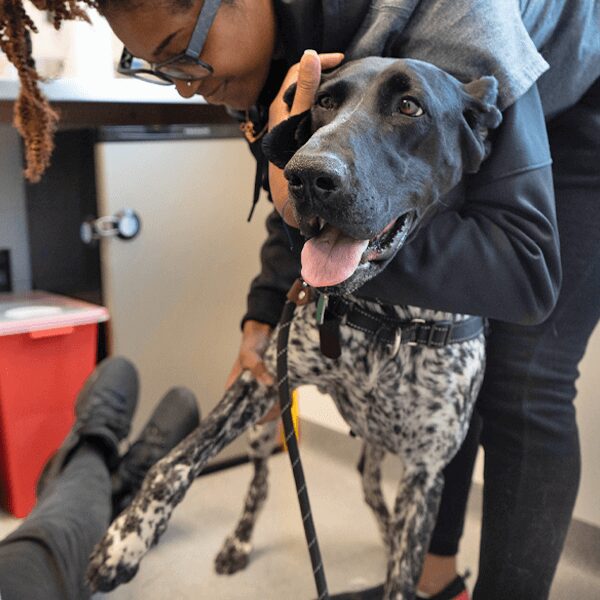
After working as an Explosive Detection Dog and assisting in the withdrawal of U.S. forces from Afghanistan in 2021, K9 Tara retired from the military.

Yesterday, Tara was brought into our care so we could help her heal. She’s facing extensive medical challenges, including early arthritis, two partially separated shoulders, and a bulging disc.

Tara needs your help and when you give right now to help support her extensive physical therapy and veterinary care, your donation will be tripled in impact thanks to a gift from the Estate of longtime supporter Pete Mounts.

April 28, 2023
ms bailey play yard
ms bailey smiling
ms bailey trotting

Ms. Bailey is looking for a fun forever family to enjoy life with!

This sweet girl is energetic and playful, and she loves going for walks, running around in your backyard, and playing with other dogs. She knows basic commands like sit, has nice leash manners, and does well riding in a car.

After a day of exercise and fun, Ms. Bailey loves to hang out with her favorite people. She enjoys having her belly rubbed and relaxing on the couch when you’re ready for some downtime.

If you’re interested in adopting Ms. Bailey, click below to learn more and then fill out the pre-adoption application listed on her profile to set up a meet and greet. Ms. Bailey also qualifies for our Foster First Program, which means you can take her home for up to 14 days prior to finalizing her adoption. This helps to make sure that you’re a great fit for one another!

April 21, 2023

With spring well underway, we’re expecting a large influx of puppies and kittens at our shelters.

These tiny animals require a lot of time and resources to grow strong, which is where our foster caregivers come in. While we provide all veterinary care, medicine, food, and supplies, our foster caregivers provide a nurturing, warm, and safe environment. Along the way, they receive a lot of support from our Foster Team.

Fostering kittens and puppies is easier than you think, and you can get started right now.

April 17, 2023