Close X

Enter a search request and press enter. Press Esc or the X to close.

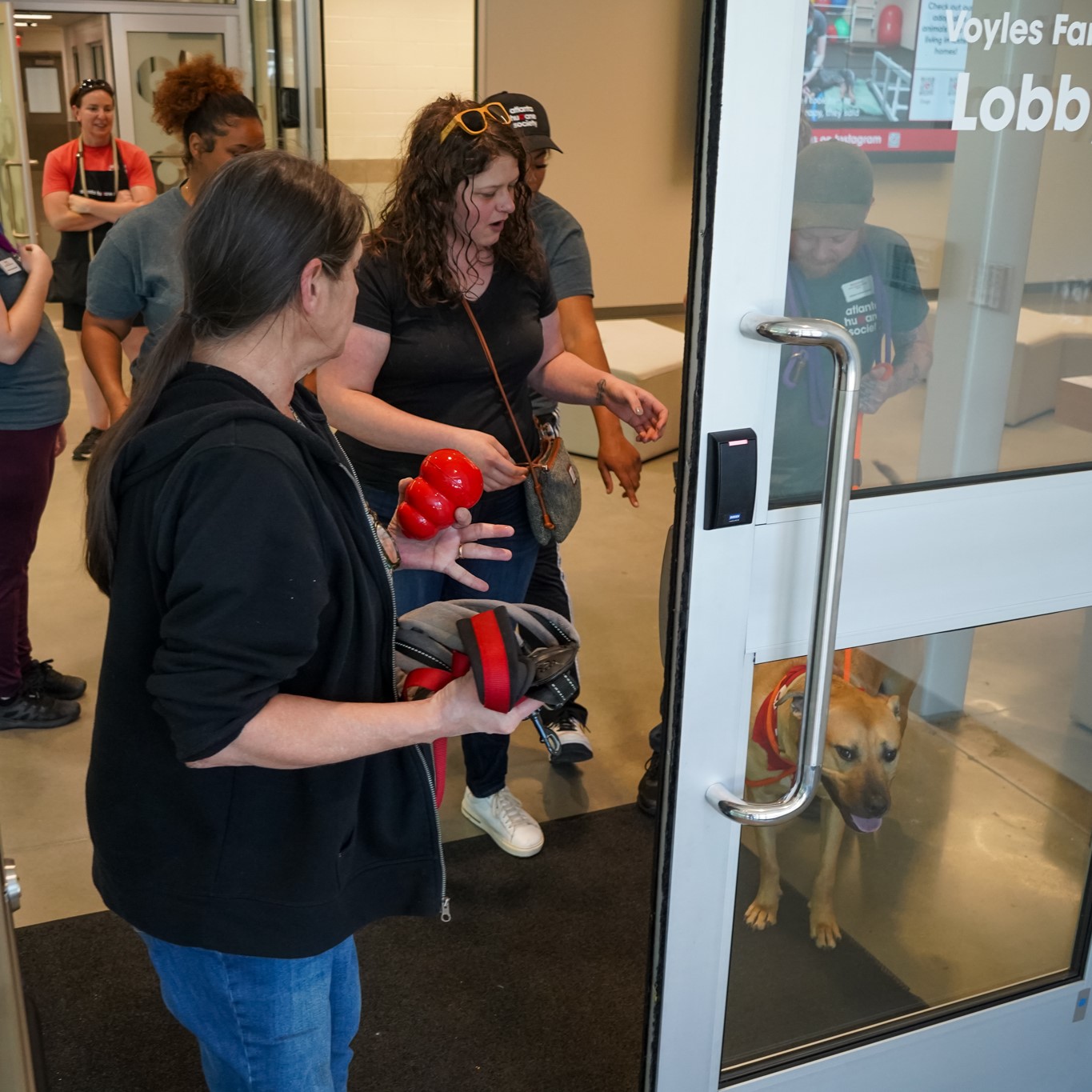
Are you thinking about fostering a shelter pet? First, a huge thank you—fosters are essential in helping shelters save more lives. Every pet that goes into a foster home opens up space for another animal and gives that pet a chance to experience life in a loving home. But what should you expect when you bring a shelter animal into your care? Here’s a guide to help you navigate your first-time fostering experience.

Expect It to Take Time

Each dog or cat will have different needs and personalities, but one thing you can count on is that fostering takes time. Many shelter animals have never been inside a home before. They might not know how to share space with other pets or understand where to sleep or what toys are theirs. It’s normal for them to feel a bit unsure at first. Give them the time they need to settle in, whether that means letting a cat have their own small room or giving a dog space to explore with supervision. Try not to overwhelm or inundate them with attention. You will be amazed at how quickly they may come to you on their terms.

Expect to Learn

The more you learn the better equipped you’ll be to enrich your foster pet. Atlanta Humane has tons of learning information, resources, and support, and of course, there’s YouTube, pet pages, and a wealth of information out there. Expect to ask questions and implement new strategies.

Expect Some Challenges

Fostering isn’t always smooth sailing. Be ready for a few bumps along the way, like a puppy crying at night or a cat hissing as they adjust. Potty accidents are common, even with pets who are usually well-trained. Stress and anxiety can cause behavioral hiccups, but with kindness and consistency, you can help your foster pet navigate these challenges.

Expect a Supportive Community

Here at Atlanta Humane, we have tons of support for our fosters from Facebook pages full of staff and volunteers to mentors to foster support professionals and veterinarians. We have supplies from pee pads to toys and treats to food, bedding, medication, and crates. You will not be alone on an island with your foster pet, you’ll have a big, loving community to get you started and throughout your experience. We even have foster sitters if you need some time away. 

Expect Your Heart to be Full

When you see your foster take a nap in a comfy place or roll over for a tummy rub, your heart will grow. When you see the joy on their face when you get out their leash or their little mouse toy, your heart will fill.  

Expect the Unexpected

Fostering can be unpredictable. Sometimes, despite your best efforts, a foster situation might not work out. Maybe the pet doesn’t get along with your own animals, or they’re too scared to settle in. That’s okay—each foster experience is a learning opportunity, and there’s always another pet who might be a better fit.

Expect to Love It

When you open your home to a shelter animal, however long it is, you are opening up their possibilities of a happy life. The best is when you can bid them “happy life, little one” and know they’re on the way to their forever home. And then expect to shed just a tear or two.

If we have convinced you to get involved, visit our Foster page to learn more.
September 3, 2024

Wobbles is a cat who will capture your heart with her playful spirit and endearing quirks. Her unique walk might catch your eye first—she has a condition called Cerebellar hypoplasia (CH) that makes her movements a bit unsteady. But don’t let that fool you; Wobbles is full of energy, always ready to play, and loves nothing more than cuddling up with her favorite people.

Through the Atlanta Humane Society, Wobbles received the medical care she needed, a foster home that provided her a stable environment, and ultimately found a loving and forever home.

Do you want to help us care for animals like Wobbles? Donate today to support our work and change animal lives.

20240828 DSC02861
What is Cerebellar Hypoplasia (CH)?

Cerebellar hypoplasia is a neurological condition that affects a cat’s motor skills, balance, and coordination. It occurs when the cerebellum—the part of the brain responsible for fine motor control—doesn’t fully develop before birth. As a result, cats like Wobbles may have difficulty walking or standing steadily, giving them a characteristic wobbly movement. However, CH is not a painful or progressive condition. Cats with CH can live long, happy lives with just a bit of extra care and understanding from their human companions.

August 29, 2024
24.08 MVP Art facebook event cover 1200x628
11

Ready to draft your MVP (Most Valuable Pet)? All animals 5 years and older are in the starting lineup with $0 adoption fees this Friday through Sunday!

You can score big with a loyal companion who knows how to be a true team player.

View Adoptables

We would like to thank April and Andy Joshi for supporting Atlanta Humane and sponsoring these adoptions.

August 28, 2024
20240702 DSC00181 2

After 176 days of waiting, Creek, a big-hearted lovebug with a knack for stealing smiles, finally found the family he was destined to be with.

From the moment Creek arrived, it was clear he was something special. His playful antics, goofy personality, and endless affection made him a favorite among the staff. Yet, despite his many charms, finding the right home for Creek took time.

But at Atlanta Humane, no matter how long it takes, we never give up on the animals in our care.

Every day, Creek touched the hearts of those around him. His infectious spirit brought joy to everyone he met, and it was impossible not to fall in love with his warm, wagging tail. The staff grew close to Creek, celebrating his milestones and cheering him on as he met potential adopters. But as days turned into weeks and weeks into months, it became clear that Creek was on a different journey—one that required a bit more time.

Then, finally, the day arrived. His new adopter knew in her heart that Creek was meant to be part of her family. The excitement and joy she felt were so overwhelming that tears of happiness streamed down her face.

20240702 DSC00252 WithAdopter
IMG 1795
20240702 DSC00271

As Creek got ready to leave the shelter, the entire staff gathered to bid him farewell. It was a deeply emotional moment, with the team who had cared for and loved Creek coming together to celebrate the start of his new life.

Creek’s journey may have been a long one, but it ended in the most beautiful way possible.

Here’s to you, Creek—thank you for reminding us why we do what we do.


To offer a home to another animal who has been patiently waiting for their forever family, please visit our Featured Pets page.

August 22, 2024

Kids can be the biggest advocates for shelter pets. There are so many ways for kids to get involved outside the shelter to help improve the lives of the adoptable animals inside.

Here are some fun and impactful ideas:

Make Toys for Cats or Dogs

Gather a few sheets of fleece fabric from your local craft store. Cut three strips, each one inch wide and 18 inches long. Tie the ends in a knot and braid the fleece, knotting at the end. Animals love playing with these soft toys, and it’s a simple, enjoyable project for kids.

Pro tip: Old tshirts that you don’t mind cutting up can also make great fabric options for DIY pet toys!

For more DIY toy ideas, check out this blog article.

Hold a Toy or Treat Drive

Are you planning a birthday party or holiday get-together? Ask attendees to bring toys or treats instead of a gift. Gather the supplies and bring your family to the shelter to donate them. It’s a wonderful way to celebrate and give back at the same time.

Spread the Word About a Pet

Most shelters have approved flyers or signs to post in your local area. Grab some signs and post them in your yard and your friends’ yards. You can also place them in approved areas like your local library, coffee shop, and restaurants. This helps get the word out about pets in need of a home.

Advertise Your Favorite Shelter

T-shirts, stickers, and hats are easy to buy from shelter websites. Wear your gear out in your community to proudly show support for the shelter you love. It’s a great way to raise awareness and start conversations about adopting pets.

Donation Jars

Do you have a favorite local restaurant, store, or vet? Ask if you can place a donation canister at the register. Decorate it with photos of pets at the shelter to attract attention and encourage donations.

Bake Sale or Lemonade Stand

No one can resist kids selling goodies on a neighborhood street! Set up a stand and sell items to raise money for your local shelter. Make bright and colorful signs to attract attention to your stand.

Gather Blankets & Towels

Blankets and towels are always in short supply at shelters. Put a call out to friends, family, and neighbors for their old linens and take them to the shelter. This simple act can make a big difference for the animals.

August 21, 2024
Email Banner Charlie

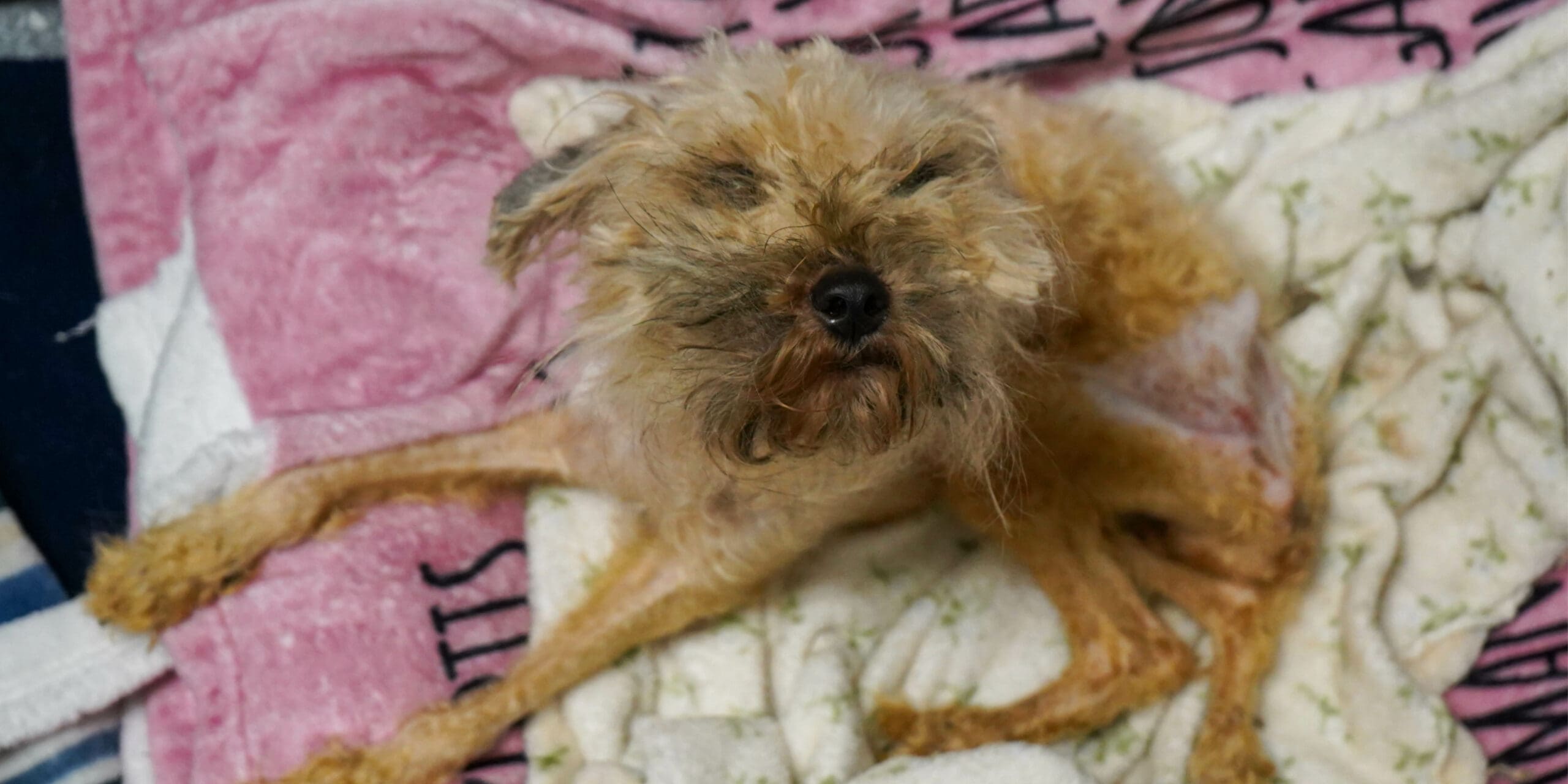
Charlie’s condition was heartbreaking.

Emaciated, unable to walk, and covered in matted fur stained with urine, Charlie was barely hanging on. It was clear he’d suffered severe neglect, and we couldn’t turn him away.

Right now, you have an opportunity to triple your impact for Charlie and animals like him. Every dollar you give will be matched three times, but only for a limited time.

Charlie has required round-the-clock feedings, fluids, and specialized care… and he still has a long road ahead of him.

Please, have your gift triple matched today so you can be part of his story.

When you make a donation today, your donation will go three times as far in providing lifesaving medical care, nourishing food, and a safe, loving environment for vulnerable pets like Charlie.

Please don’t wait—donate now to triple your impact.

August 21, 2024

This is a guest post, written by Cat Topia.

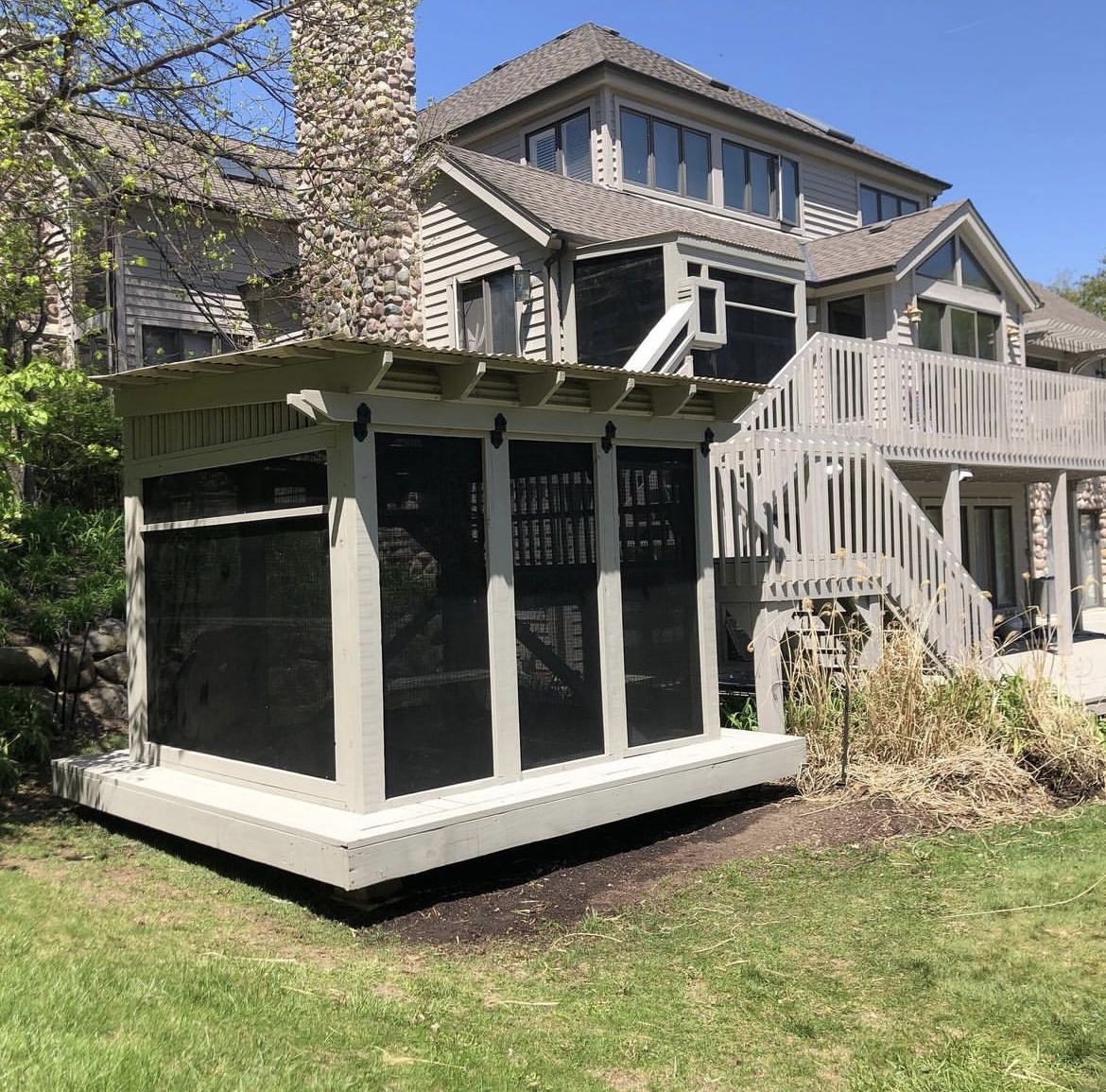
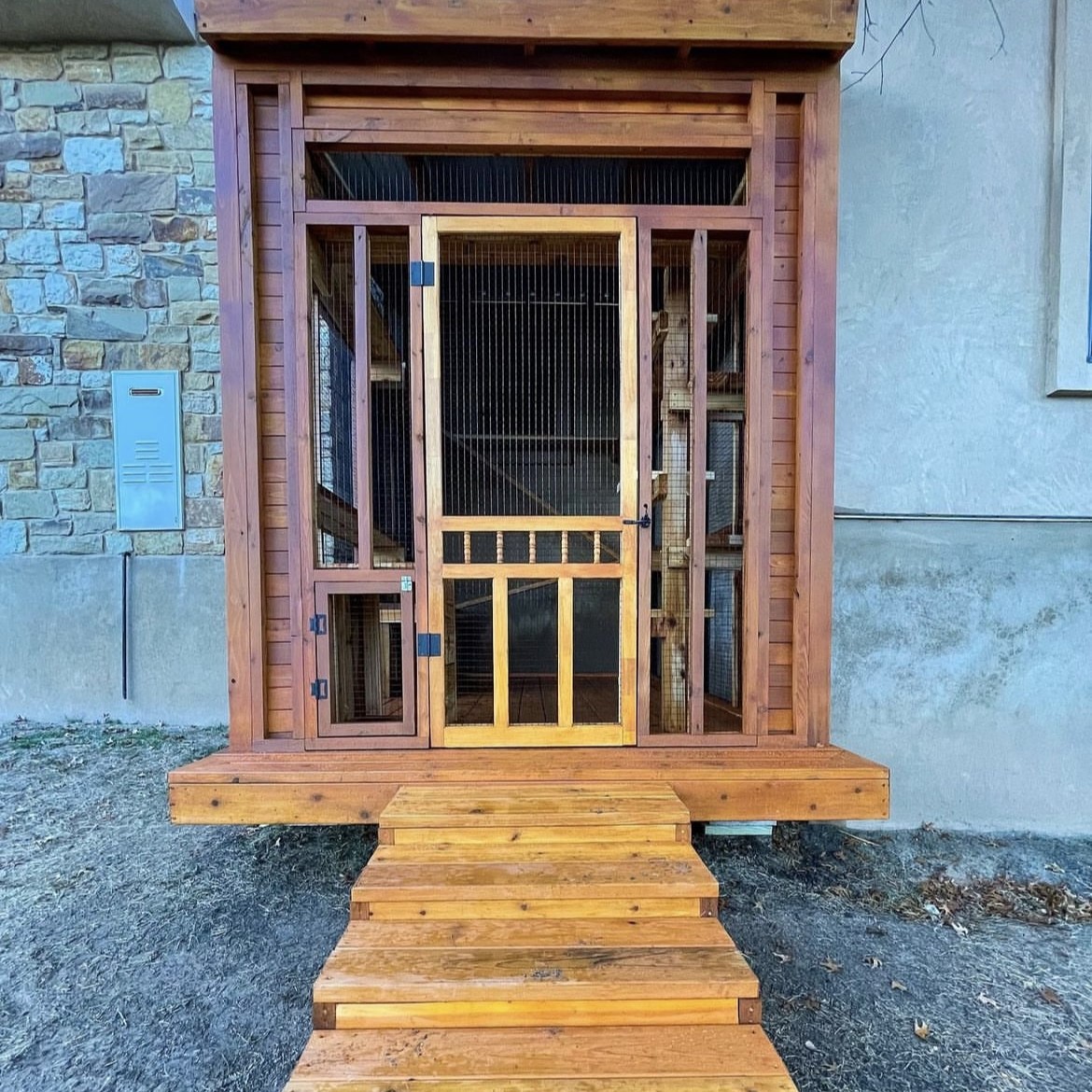
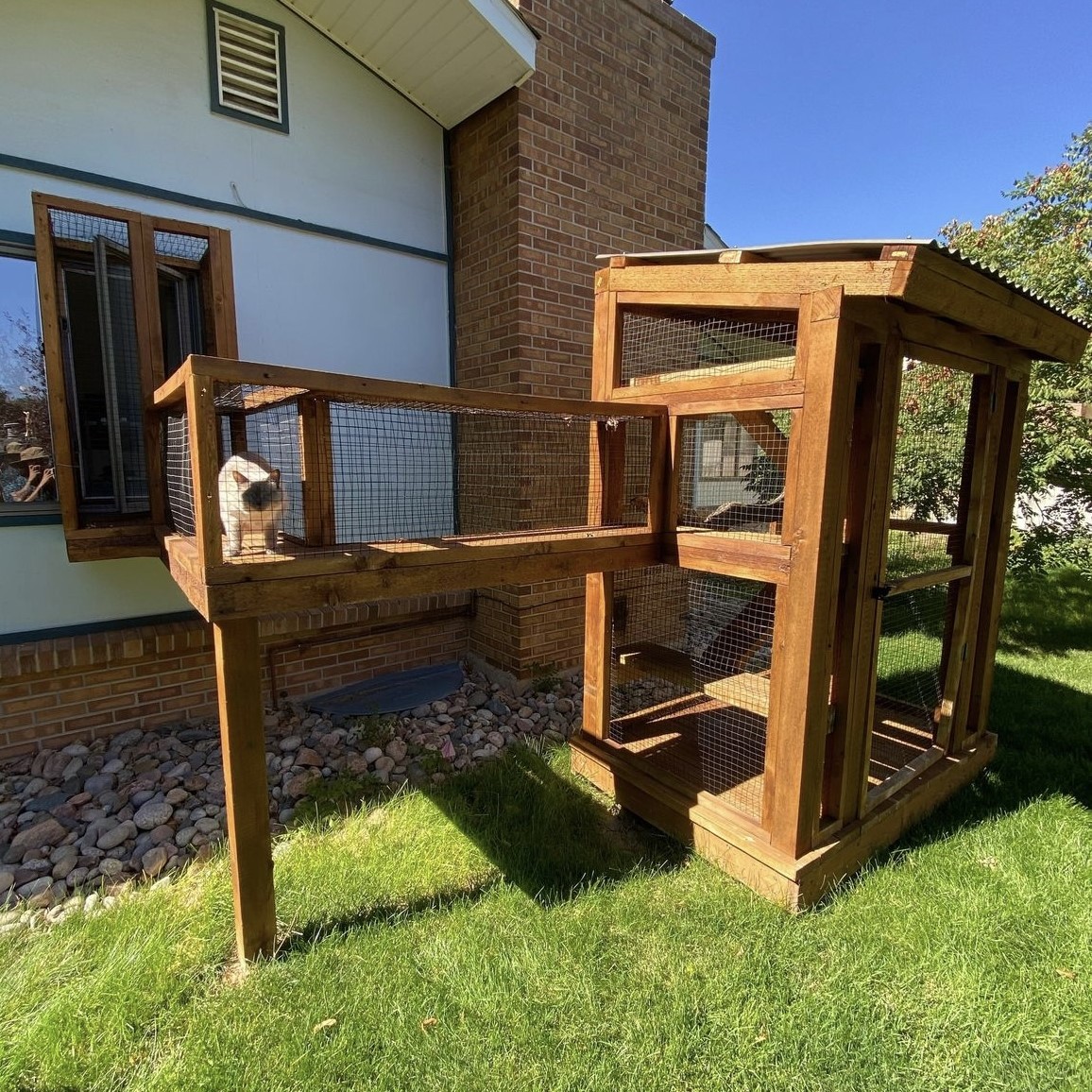
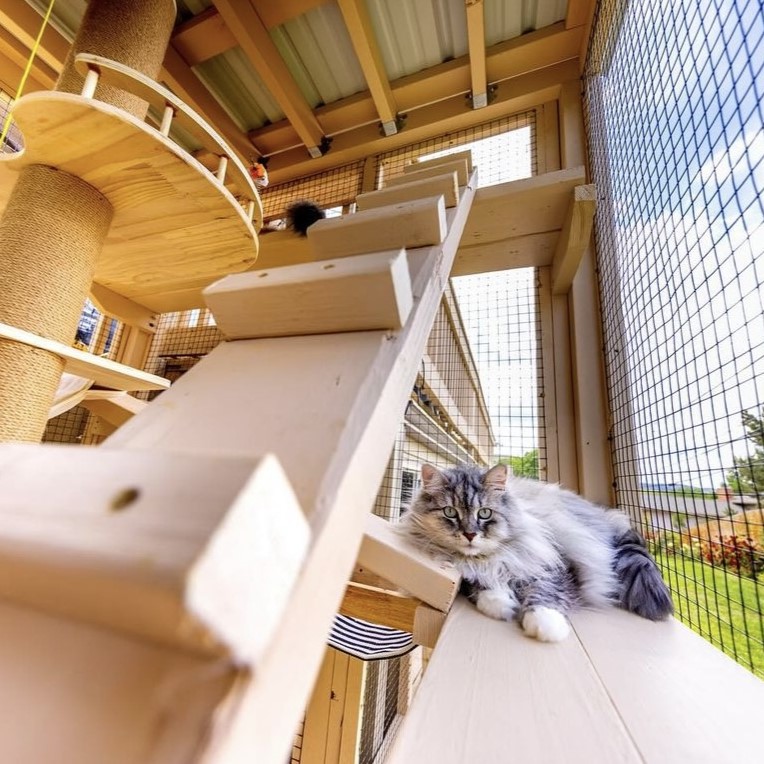
Cats have a natural instinct to explore the outdoors. However, the modern world is filled with dangers for our feline friends, from busy streets to predators. This is where “catios” come in. A catio, or cat patio, is an enclosed outdoor space that allows cats to experience the outdoors safely. These are the best of both worlds: You can let your cats outside, without the associated risks of free roaming. Catios vary in sizes and materials. They can be a simple cat window box, an existing porch converted into a dedicated outdoor cat enclosure, or even a free-standing catio in the middle of your yard. In this article, we will explore five reasons why catios are the ultimate health boost for your cat.

Screenshot
Screenshot

1. Promotes Physical Exercise 

Cats, like all animals, need regular exercise to maintain their health. Obesity in cats can lead to a host of health problems, including diabetes, arthritis, and heart disease. A catio provides a safe environment for your cat to run, jump, and climb, encouraging natural behaviors that keep them active. By having a dedicated outdoor space, your cat is more likely to engage in physical activities that are essential for maintaining a healthy weight and overall physical fitness.

Catio Picture #2
??????????

2. Enhances Mental Stimulation 

Cats are intelligent animals that require mental stimulation to stay happy and healthy. A catio offers a rich environment filled with new sights, sounds, and smells. This sensory enrichment helps prevent boredom and reduces stress, which can lead to behavioral problems such as scratching furniture or excessive grooming. By providing a stimulating outdoor space, a catio keeps your cat’s mind sharp and engaged.

Catio Picture #3
??????????

3. Reduces Risk of Injury and Disease 

Outdoor cats face numerous risks, including traffic, predators, and exposure to diseases from other animals. A catio provides a secure space where your cat can enjoy the outdoors without these dangers. By keeping your cat safe from potential harm, a catio significantly reduces the risk of injury and illness. This controlled environment ensures your cat can explore and bask in the sunshine without the threat of getting hurt or sick.

Catio Picture #4
??????????

4. Encourages Natural Behaviors 

Cats have natural instincts to hunt, climb, and explore. A catio allows them to express these behaviors in a safe and controlled environment. Watching birds, chasing insects, and climbing on structures within the catio satisfy their predatory instincts and provide valuable exercise. These activities are not only fun for your cat but also essential for their mental and physical health. 

Catio Picture #5
??????????

5. Improves Overall Well-being 

The combination of physical exercise, mental stimulation, and a safe environment leads to improved overall well-being for your cat. Cats with access to a catio are generally happier, less stressed, and exhibit fewer behavioral problems. Last but not least, the opportunity to enjoy fresh air and sunlight is so important to a healthy cat. By investing in a catio, you’re not just providing a space for your cat to play; you’re enhancing their quality of life.

A catio is more than just an outdoor space for your cat—it’s an investment in their health and happiness. By promoting physical exercise, enhancing mental stimulation, reducing the risk of injury and disease, encouraging natural behaviors, and improving overall well-being, a catio proves to be the ultimate health boost for your feline friend. If you want to ensure your cat lives a happy, healthy life, consider adding a catio to your home.

August 19, 2024
20240726 DSC00453 Square

Top Secret Briefing: Agent Soldier’s Mission Details

Code Name: Soldier
Mission: Find the Perfect Forever Home
Special Skills: Expert in Stealth, Cuddle Operations, and Plush Toy Takedowns

Agent Soldier is no ordinary feline. He’s a master of blending in when new people approach—moving silently, keeping out of sight until he’s ready to assess the situation. This stealth tactic is crucial to his success in forming strong bonds, as he prefers a careful and calculated approach to meeting potential allies.

Once trust is established, Agent Soldier reveals his softer side. Known for his skills in Cuddle Operations, he will seek out affection and deploy purrs that could melt even the toughest hearts. His favorite rewards include belly rubs, which are met with immediate approval chirps and trills.

While Agent Soldier has successfully integrated with fellow feline operatives, he remains cautious around dogs—retreating to a secure location until the perceived threat passes. He requires a quiet environment where he can plan his next missions in peace.

The mission is clear: find Agent Soldier a forever home that values his special skills and gentle heart. Are you ready to join forces and become his trusted partner?

End of Briefing.

August 15, 2024

Introducing a dog and a cat to each other, whether you’re bringing a new dog into a home with a resident cat or vice versa, requires patience and careful planning. Both species have different communication styles and instincts, so it’s important to take the process slowly to ensure a peaceful coexistence. Here’s a step-by-step guide to help you successfully introduce a dog and a cat.

Step 1: Prepare a Safe Space for the New Pet

Before bringing the new pet home, set up a separate space where they can feel safe and secure. For a new cat, this might be a quiet room with their litter box, food, water, toys, and a cozy bed. For a new dog, ensure they have their own area with a bed, toys, and access to the outdoors. This separation allows the new pet to adjust to their new environment without being overwhelmed by the presence of the resident pet.

Step 2: Allow Time to Adjust to Each Other’s Scent

Scent is a powerful tool for animals to get to know one another. Before any face-to-face meetings, let the dog and cat become familiar with each other’s scent. You can do this by swapping bedding, toys, or even rubbing a cloth on one pet and placing it in the other’s space. This step helps both pets get used to the idea of another animal in the home.

Step 3: Controlled Introductions

Once both pets are comfortable with each other’s scent, begin controlled visual introductions. Use a baby gate, crate, or keep the cat in a carrier to allow them to see each other without direct interaction. Gradually increase the time they spend seeing each other while keeping these sessions short and positive. Observe their reactions carefully, rewarding calm behavior with treats and praise.

When both pets seem at ease with visual contact, move on to face-to-face meetings. Keep the dog on a leash, allowing the cat to move freely. These interactions should be brief and closely monitored. Provide the cat with an escape route and ensure the dog remains calm. Gradually extend the time they spend together as they grow more comfortable with each other.

Step 4: Establish Routines and Boundaries

Create consistent routines and set boundaries to help both pets feel secure. Ensure the cat has high places to retreat to, like shelves or cat trees, and feed them in separate locations. Maintain a structured environment to reduce the likelihood of conflicts, and continue to reward positive interactions.

Step 5: Be Patient and Seek Help if Needed

The introduction process can take time, so be patient and allow your pets to progress at their own pace. If either pet shows signs of aggression or extreme fear, don’t hesitate to seek professional help. A trainer or behaviorist can provide tailored advice to help your dog and cat develop a positive relationship.

If you want more pet care resources, check out this page.

August 14, 2024