Close X

Enter a search request and press enter. Press Esc or the X to close.

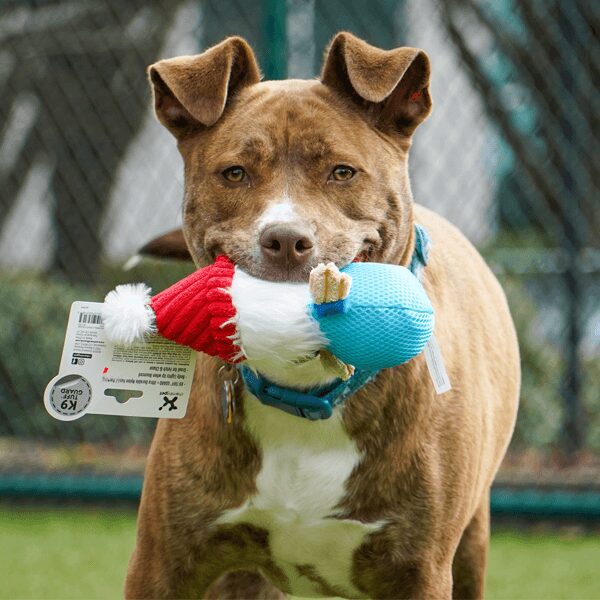
lilypad with toy
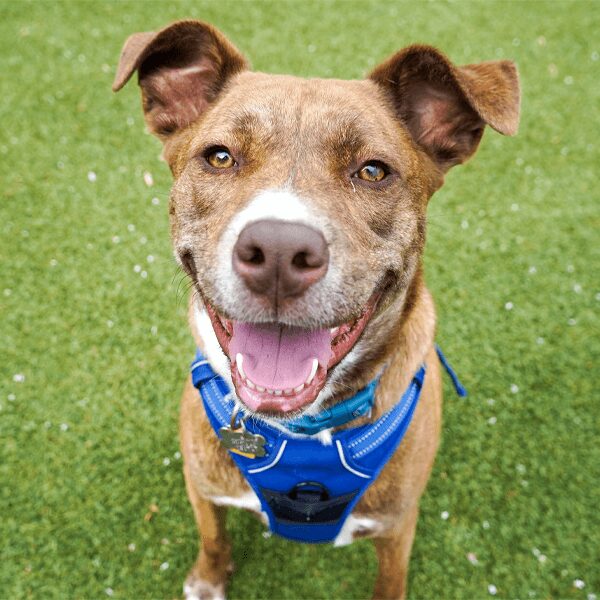
lilypad smiling
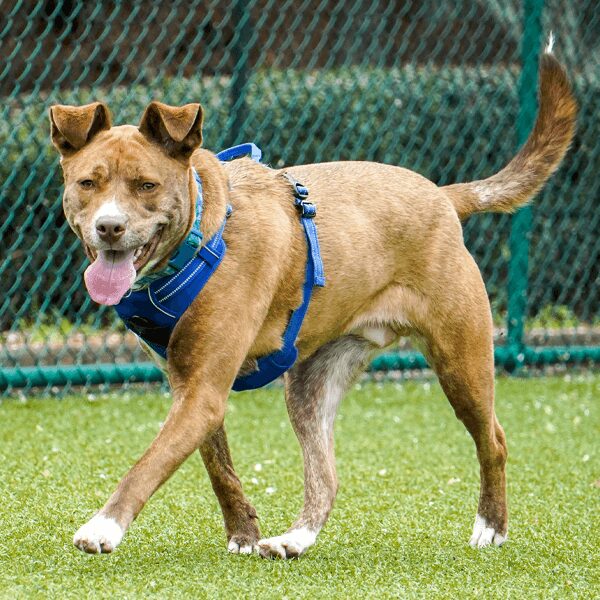
lilypad trotting

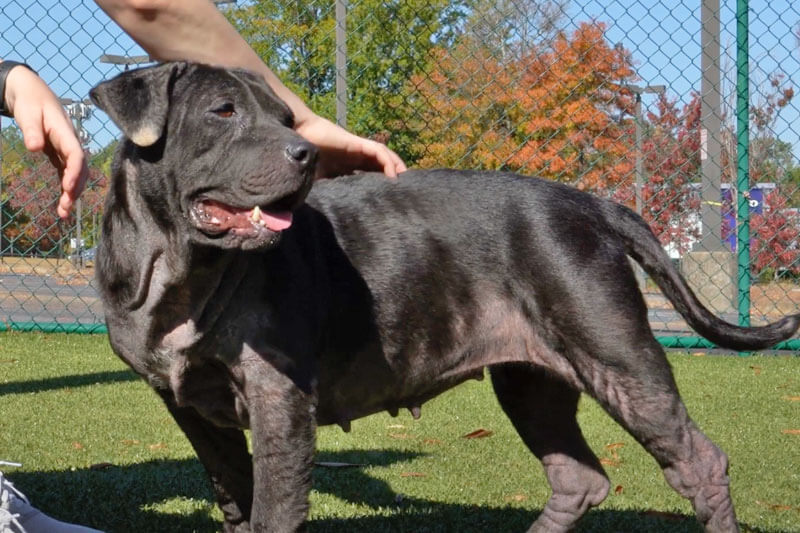
Some might say “chunky” instead of “voluptuous,” but you know what we mean! This full-figured gal will surprise you with her speed and playfulness. She loves being outside, taking walks, and playing fetch with her soft stuffed toys, followed by lots of petting from her favorite human. She’ll flash a great big smile throughout all of the fun, and you’ll get a kick out of her bouncy ears.

Lilypad is good on a leash, but she sometimes likes to play tug of war with the leash. Allowing her to carry a stuffed toy on walks not only prevents her from tugging, but it’s also pretty darn cute!

Lilypad would love a home with plenty of room as well as an outdoor space to run and play. She’s both house-trained and well-behaved. Lilypad has no known history with children or cats, but we do know she wants to be the only pooch in the “pad.”

If you’re interested in adopting Lilypad, click below to learn more. She qualifies for our Foster First Program, which means you can take her home for two weeks prior to finalizing her adoption to ensure she’s a good fit for your lifestyle.

September 18, 2023
kitty sitting
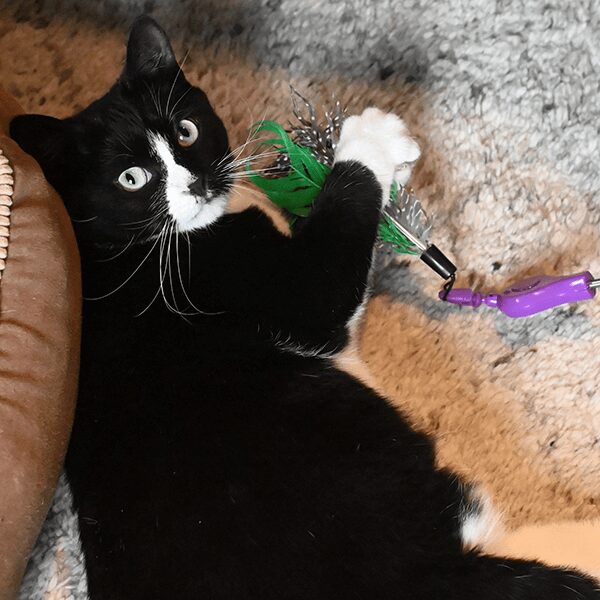
kitty laying with toy
kitty playing with toy

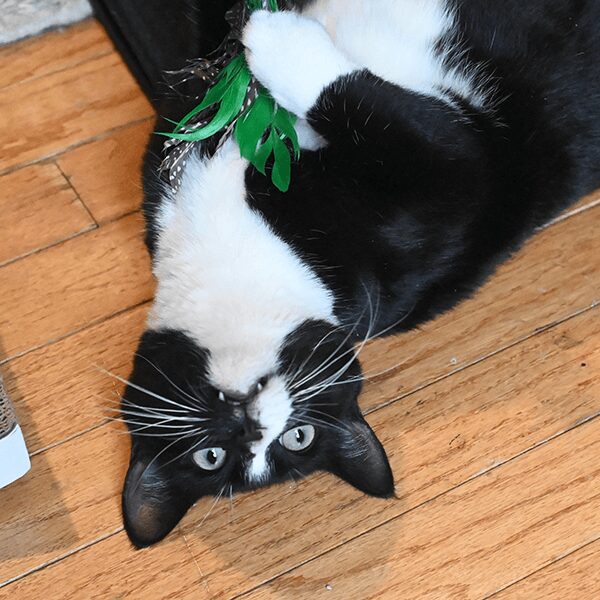
Meet Karen, an independent and quirky cat who is looking for her forever home.

This spirited little lady is ready to surprise you and make you laugh. She loves playing hide-and-seek with her human and cat friends, but if you happen to be busy when she’s ready to play, she won’t take it personally. Karen finds plenty to do around the house on her own.

Karen has a special box that she likes to relax in and loves climbing cat trees to get the best view of the world.

And while she doesn’t love being petted or held, she’ll snuggle up with you on the couch and take treats right from your hand.

Karen’s ideal family is one with an experienced cat owner who will be patient with her. She also prefers to be the only cat in the home.

Karen is currently living in a foster home so if you’re interested in meeting her, fill out the pre-adoption application on her bio and we’ll put you in touch with her foster family.

September 16, 2023
sheba cover photo

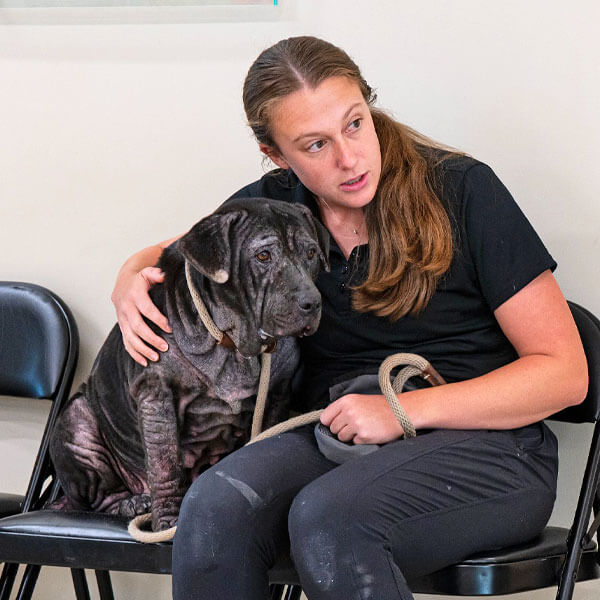
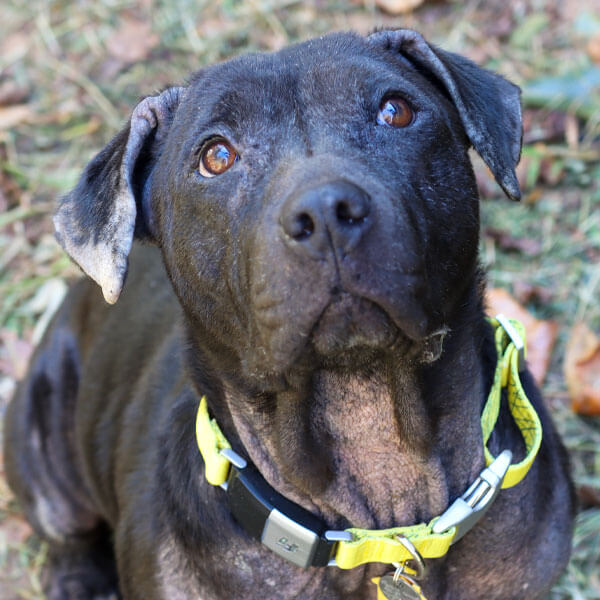
Meet Sheba, a friendly and well-behaved girl who is looking for her forever home!

This sweet girl loves to play and is especially fond of her stuffed squeaky toys and tug rope. She’ll play with you all day long! And once she’s tired, she’ll curl up in your lap for a nap. She loves getting attention, whether it’s lots of belly rubs or some extra treats.

Sheba is potty-trained, crate-trained, and walks well on a leash. She also sleeps soundly through the night on her dog bed, although she’d certainly love to cuddle in bed with you.

If you’re interested in adopting Sheba, click below to learn more.

sheba blog
sheba looking up
sheba blog 2
September 15, 2023

They are there when you get home with a tail wag and happy dance. They are there in the morning while you make your coffee, slowly rubbing against your leg with a quiet meow. They snuggle on the couch with you, share your meals, and offer comfort. And they love you unconditionally. Our pets are ingrained in our days and bring us unfathomable joy, but when we have to say goodbye, the feelings of grief can surprise us with their intensity.

Researchers have learned that losing a pet can be as devastating as losing a human loved one, but we often don’t allow ourselves the same opportunities to grieve them. It can be difficult for non-pet owners to understand how the death of a dog or cat impacts a human, and pet owners often feel guilty or ashamed for being so sad about their pet.

If you’ve lost a pet, you may relate to how it hurts to think about their death. The last day with them can invoke incredibly sad feelings and even set off that lump in your throat and tears in your eyes years later. But death is inevitable. Humans live longer than their companion animals, so if you have a dog or cat, you will have to one day experience their death. And then what?

How do you walk in the kitchen and see the spot where their bowl was or climb into bed without them beside you? For some people, getting another pet is the answer; for others, they can’t even think about that. Just like grieving the death of a human loved one, there are no rules, no linear paths to follow, and no way to predict your feelings.

But one of the most important things to do is to acknowledge those feelings. Know that it’s okay to feel sad, angry, defeated, and even relieved if your pet had been suffering for a while. An article from Psychology Today shares that, “In its simplest form, grief is the open admission that we have lost something very important to our life and well-being. A common synonym of grief is heartache. It feels as though we have pain in our physical hearts.”

So what can you do? How do you heal your broken heart? The thing is, grief is different for everyone, but the key is to be active about it. Talk about it, cry about it, and feel it. And even if this talking is just to yourself, that’s okay. Some people share that they set aside time each day to talk about their loss, whether that’s with someone else or to themselves. They recognize feelings, allow those feelings, and then honor them. This invites you to move forward. Other ways of dealing with the grief of a pet are:

• Reaching out to grief support groups, like Pet Compassion Careline or Laps of Love. You can find specific groups for pet loss that are led by trained pet grief counselors, and you’ll connect with others who share the same emotions.
• Talking to a therapist. Whether or not you find a specific grief or pet counselor, talking through your experience and feelings can be hugely beneficial.
• Focusing on the happy memories with your pet rather than the last day or days with them. It’s heartbreaking to experience their death, so focus on the great life they shared with you.
• Memorializing your pet with an art or jewelry piece, a special pillow, or anything that provides you comfort.
• Trying to understand that your pet is no longer suffering and that you gave them a beautiful life.
• Being kind to yourself and taking time for yourself.

When is it time for another pet?

This is different for everyone. Some people will choose not to get another dog or cat, while others will get one right away. Some people begin to foster or volunteer in an animal shelter. Often, it happens organically; you know the time is right and you know it’s the right new pet.

Also, it’s important to think about the other people in your household and have family conversations. Do you have other pets? Consider them and how a new pet will affect the dynamic. Know that you are not “replacing” your previous pet; instead, you are opening your home to another animal, perhaps one who is in need. When you adopt a pet from a shelter or rescue organization, you are giving the new dog or cat a home, life, and family.

No matter what, you’ll always have your memories and experiences with your previous pet, and they will always have the honor of that special place in your heart.

September 14, 2023
sir charles headshot
sir charles laying down

Oh, the life of royalty! So many lights, paparazzi, and scrutiny, but all Sir Charles wants is a quiet, comfy spot to perch and gaze wonderingly at the world around him.

At almost 6 years old, Sir Charles is a litter box-trained domestic shorthair cat with a distinct personality. While he enjoys sitting in his human’s lap on occasion and even receiving cuddles and pets, as his name suggests, he prefers it to be done at his own ‘royal’ suggestion. And please, no unsolicited and undignified hoisting into the air!

Sir Charles is happy to meet new subjects—err, people—and can be affectionate and welcoming. But like many cats who can get overstimulated by too much attention, he would thrive best with adults who understand and respect his need for personal space and time to chill. If you are an independent type of person looking for an independent cat companion, Sir Charles may be the perfect royal cohort for you!

September 11, 2023

If you’ve watched videos of dog agility competitions, you’ve seen dogs race through a complex, demanding course in record times. Though offering your own dog agility training may not produce a canine champion, the training will provide enjoyable exercise and mental stimulation for you and your dog and can build your dog’s strength, coordination, flexibility, balance, focus, and confidence.

Unlike the essential canine commands such as “come,” “sit,” and “drop it,” agility training is not necessary, but is just plain fun for both of you. Neither you nor your dog needs to stress about perfection or speed or anything else. Keep each agility activity short—5 to 10 minutes at most—and stop before your dog loses interest. Remember that you’re not training your dog to compete against other dogs. Instead, you’re having a delightful time together while you’re enhancing your dog’s life and their bond with you.

Veterinarians advise that agility training should not begin until a dog is fully grown—usually about 12 to 18 months of age, depending on the breed. Very high-impact exercise can harm young, growing bones and joints. So wait until your dog is grown up before you start this training.

To begin agility training, you don’t need elaborate or expensive equipment. Use what you have on hand, and make sure your dog won’t be injured by rough edges or wobbly surfaces. Each time your dog comes close to doing what you want them to do, praise them and offer a small treat.

  • Set up a sturdy box that’s strong enough to bear your dog’s weight. Encourage your dog to jump up on the box and sit there for a short time (3 to 5 seconds). Ask your dog to jump down from the box and return to sit in front of you. Reward your dog with a treat and your enthusiastic approval.
  • Flip the box on its side and lure your dog into it using a treat if necessary. When the dog has mastered that maneuver, turn the box right side up and ask the dog to get into it. You can make a line of boxes and teach the dog to hop from one box to the next one.
  • To give your dog the fun of running through a tunnel, you can begin by draping a blanket over two low objects, such as chairs, and invite them to walk beneath the blanket to the other side. As your dog gets used to this activity, widen the distance between the chairs so that the blanket “tunnel” grows longer.
  • You can set up jumps for your dog using a broomstick or other pole-shaped item placed across two low, sturdy supports such as boxes or flower pots. Be sure the pole will fall if your dog hits it so he won’t get hurt. When the dog succeeds jumping over the low pole, you can gradually increase the height an inch at a time. Later, you can set up a series of jumps for him.
  • In agility competitions, weave poles are probably the most challenging obstacles for dogs. To train your dog at home, you can stick tomato stakes or similar-sized poles into the ground about 24 inches apart (or farther apart if your dog is quite large). Always make sure your dog enters between the first and second poles in the row from his left side.
  • As your dog continues agility training, you may want to develop more varied and challenging obstacles. Though such obstacles can be purchased, you’ll have more fun building some of your own. Check out https://www.k9ofmine.com/diy-dog-agility-courses for clear DIY instructions and materials lists for building obstacles. The site also has links to videos and other helpful sources for you to explore.

No matter how simple or complex your obstacles are, the primary goal of agility training is to enhance your dog’s all-around health and enjoyment of interacting with you. Keep the agility training fun and positive so that both you and your dog can benefit from it.

August 31, 2023

While most dogs love exercise—long walks and games of chase-the-tennis-ball—cats often have a very different attitude toward exercise. Many cats would rather curl up for one of their frequent naps, followed by a visit to their food and water bowls. These inactive behaviors can lead to weight gain, muscle depletion, and hip and joint issues. Without daily exercise, your cat’s health can deteriorate over time and even shorten their life span.

So cats need exercise as much as dogs do, especially when they remain inside your house. Keeping your cat indoors helps keep them safe from outdoor hazards, protects native wildlife, and prevents the cat from getting or passing on an infectious disease like FIV. With the right encouragement and a variety of ways to exercise—running, jumping, climbing, and chasing—your cat can replace some of their lazy habits with active, more healthful ones.

Remember to start slowly, especially if you’re helping an adult cat exercise. Start with activities that your cat enjoys, and plan for short, 3-5 minute play sessions a few times each day. As your cat builds stamina, you can make play times longer and use higher-energy games.

Here are some of the best methods for encouraging your cat to play and exercise.

  • To encourage your cat to hop and climb, use a cat tower, a series of empty boxes that will fit your cat’s body, or your stairway. Place a toy or treat where you want the cat to begin climbing and playing, or use a laser pointer for the cat to chase up the tower, into the boxes, and up and down your stairs.
  • Give your cat lots of toy options to keep them moving. Try hiding some of the toys so your cat can have the thrill of finding them. Change and rotate the toys frequently so your cat doesn’t get bored. You don’t have to spend a lot on toys – try ping pong balls and balled-up pipe cleaners, and put a ball into a big open box or your bathtub to create an instant “hockey rink” for your cat to chase and bounce the ball. Two very good sites for more toy ideas are www.worldsbestcatlitter.com/2014/03/the-10-best-homemade-cat-toys/ and https://rawznaturalpetfood.com/diy-cat-toys/
  • Tie some feathers, or a toy on a string, to a long wand and let your cat leap and run to catch the prize.
  • Online apps can challenge your cat to chase a bee or hamster or pounce on meandering mice and frisky fish. After physical exercise, open a cat app to offer your cat mental stimulation and entertainment. Find apps by Googling ‘cat app.’
  • Train your kitten—or older cat, if possible—to walk wearing a well-fitted soft harness attached to a leash. Let your cat wear just the harness for a week. Then attach the leash and let the cat drag it. Finally, pick up the leash and put a slight pressure on it. When your cat walks easily and happily on the leash, you can go to a safe location for a cat-directed walk as you follow the cat with the leash held very loosely. Be ready to pull the cat out of danger if necessary.
  • An agility course with several obstacles can challenge and exercise your cat. Arrange bars for the cat to jump over, tunnels to pass through, or a line of bottles to weave between (start with two bottles and extend the line as your cat learns). You can find excellent DIY ideas at www.petfinder.com/cats-and-kittens/training/general/how-to-make-your-own-agility-cat/ and www.outdoorbengal.com/blogs/clicker-training-cats/cat-agility.
  • Puzzle feeders and puzzle toys give your cat mental exercise as well as physical training.

All these activities are fine for the daytime. But what if your cat is active at night when you prefer to be asleep? Some toys allow cats to play and exercise on their own.

  • Catnip toys can be big enough for your cat to wrestle with. You can open a seam in one of your cat’s favorite stuffed animals, insert catnip, and stitch the seam tightly closed.
  • Hanging cat toys hang from a doorknob or window, and their location can be changed to make jumping for them more interesting for your cat.
  • Motion-activated toys begin to move, quiver, and roll when the cat pats or jumps on them.
  • Automatic lasers encourage jumping, pouncing, and running as the toy creates a sporadic laser that moves around the room. Keep in mind that because the cat can never catch the laser, this unwinnable game may be more frustrating than fun.

If you decide to use these solo-play toys for nighttime exercise, try to also interest your cat in playing with you during the day. As your cat learns how much fun you are, the bond between you and the cat will grow stronger—along with your cat’s strength and well-being.

August 29, 2023

No one ever wants to be at the veterinarian because their family pet is sick or injured, and that includes if they’ve ingested something they shouldn’t have or are choking. We’re probably all familiar with cats coughing up hairballs but choking is a far different matter and can be life threatening. More than 200,000 pets are seen by veterinarians every year because of choking incidents.

So how do you know your pet is in choking distress? For a dog, this might look like pacing back and forth or pawing at their mouth. Keep in mind that if their airway is blocked, your pet may not be able to alert you with a bark or a whimper. As for cats, external signs they are choking include an open mouth, excessive salivation, increased breathing movement in the stomach, and making high-pitched or snoring sounds while breathing. In addition, their gums and tongue may also begin to turn blue.

Before we get into how to save a choking dog or cat, let’s talk about prevention. Accidents do happen but pet owners can reduce choking risks. When your pet is chewing on toys, keep an eye on them. Quirky dogs sometimes go straight for plush toy squeakers, which can be a choking hazard. Your pet can chew them into pieces and it may get stuck in their throat. Make sure you only have balls in the house that are too big to get stuck in their airway and keep children’s toys out of reach, especially pacifiers! If your dog is outside and prone to chewing on sticks, it’s especially important to be nearby. Your pet may even choke on their food. Do you have a dog that eats so fast they nearly inhale their food? A slow feeder should be in your future. Slow-feeder bowls look like a maze so that meals take longer to consume.

According to National Pet Choking Prevention Day, the most common choking hazards are:

CATS:
1. String
2. Window Blind Cords
3. Fishing Pole/Wand Type Toys
4. Plastic
5. Rubber Bands & Hair Ties

DOGS:
1. Balls
2. Sticks
3. Chew Toys
4. Bully Sticks, Treats & Long-Term Chews
5. Food Packaging & Trash

So what do you do if you find your pet choking? Remain calm. Open your pet’s mouth and check for an obstruction. Sweep your finger (or two fingers if it’s a large dog) side to side and see if you can dislodge the object, making sure you don’t push it farther into the airway. If you cannot do this safely without being bitten, contact your vet immediately. If it’s possible to gently pull their tongue forward so you can see deeper, then do. If you are not able to see or dislodge the object, you can perform the Heimlich maneuver. In cats, hold the animal with their back against your chest, feet hanging. Firmly but gently push on the stomach about five times in quick, upward thrusts. For a large dog, hug him at the abdomen (back against your chest), make a fist, and push up and forward. For small dogs, put them on their back and apply pressure to the upper stomach, below the ribcage. After performing the Heimlich, attempt the sweep again. If you’re having trouble, take your pet to the animal hospital.

Like so many things in pet ownership, prevention is far more cost effective and 100 percent less stressful!

August 25, 2023

It’s pretty simple: if you’re feeling hot, your dog is feeling hotter. If you can’t walk outside without water, your dog can’t, either. And if it’s too hot for you to walk barefoot on the sidewalk, then neither should your dog. It’s summer in “Hotlanta,” and it’s time to cut out the mid-day walks and outdoor fetch sessions and seek shade and air conditioning for both you and your furry friends. Why? Heat stroke.

What is heat stroke?

Heat stroke is a condition that occurs when your body overheats. It typically happens as a result of prolonged exposure to, or exertion in, high temperatures. In dogs, heat stoke can occur when their internal body temperature rises to roughly 105 degrees. It’s very dangerous and can very quickly lead to organ damage, organ failure, and death. Unlike humans, dogs have limited ability to regulate their body temperature through sweating (only the pads on their feet can sweat) and they instead have to rely primarily on panting, which does no good if they are continuing to breath in hot air. And yes, heat stroke can also happen in cats.

What does heat stroke look like?

Early signs of heat stroke in dogs include heavy panting even after resting for some time, excessive drooling, bright red gums and tongue, dry gums, and a rapid heart rate. If left untreated, this can lead to muscle tremors, vomiting, lethargy, disorientation, seizures, permanent organ damage, collapse, and death.

What can I do if I suspect my dog has heat stroke?

If you suspect your dog has heat stroke, you will need to act immediately by thinking cool. Get them to a cool and shaded area, give them small amounts of cool water, and apply somewhat cool (not super cold!) water to their stomach, head, ears, and foot pads while using a fan to blow cool air over them. And again, do not use cold water! While it might be tempting in the heat of the moment to pour ice water over your dog or submerge them in cold water, this can lead to shock and ultimately make them hotter as the water gets trapped under their fur.

It is important to understand that heat stroke is a major medical issue so even after applying the principals above and stabilizing your dog, get them to the vet as quickly as possible. Dogs badly impacted by heat stroke can require intravenous fluids, medication, and possibly oxygen to prevent or address internal organ damage that you cannot see.

How do I prevent heat stroke?

Since heat stroke is typically caused by prolonged exposure to, or exertion in, high temperatures, cut down on the exposure and exertion.

• When the sun is blazing in the sky, keep your pets inside. Exercise your dogs during the cooler morning or evening hours.
• Keep mid-day and early afternoon potty breaks short and walk in the shade as much as possible.
• Carry water for both you and your pet. And remember that most dogs will not drink hot water even if they are thirsty, so don’t expect to rely on those friendly folks who might leave water dishes laying in your path in the sun.
• Provide your pet with fresh, cool water all day, every day. In the summer months, this means changing the water in their dish frequently as it heats up, especially if your dogs are outdoors.
• If your dog does spend time outside during the day, make sure they have access to good shade and cool, fresh water at all hours.
• Recognize that some dogs are more susceptible to heat stroke. These include senior dogs, overweight dogs, dogs with flat noses like Pugs, Boxers, Shih Tzus, and Bulldogs, and dogs with thick fur like Malamutes and Akitas.
• Consider specially designed dog cooling vests and bandanas. Most of these rely on evaporation to work, similar to human sweating. While there is positive anecdotal evidence of their effectiveness from pet owners, there has been limited scientific research so these should only be used with a common sense strategy that includes decreased exposure to and activity in the heat.
• It should go without saying but never, never, never leave your pet in a parked car when the outside temperature is above 70 degrees. Even for a quick in-and-out errand with the windows cracked and in the shade, this is often deadly. The only exception to this rule is if your car is on and utilizing the air conditioning.

August 23, 2023